

Choosing low glycemic foods is one of the most effective ways to support safe and sustainable weight loss. These foods help regulate energy levels, reduce cravings, and improve metabolic balance by slowing how quickly sugar enters the bloodstream. Unlike refined carbohydrates that cause rapid spikes in blood sugar, blood sugar control foods provide steady energy that helps the body function efficiently throughout the day.
When meals include slow carbs, digestion happens gradually, preventing sudden hunger and fatigue. This steady release of energy supports insulin balance, which plays a critical role in how the body stores or burns fat. For people trying to lose weight safely, managing blood sugar levels is often just as important as calorie intake.
Understanding how low-glycemic foods work together with fiber, protein, and healthy fats makes it easier to build balanced meals. These foods are part of a broader nutrition approach focused on stability rather than restriction. When used consistently, low glycemic foods help create an eating pattern that supports metabolism, appetite control, and long-term weight management.
You’ll learn which low glycemic foods help stabilize blood sugar and support gradual fat loss. If you want to understand the bigger nutritional strategy behind sustainable weight loss, explore our complete guide to foods that support safe fat loss, where we break down the most effective metabolism-friendly foods for long-term results.
Understanding the Glycemic Index
The glycemic index (GI) measures how quickly carbohydrates raise blood sugar levels after eating. Foods with a high GI are digested quickly and cause rapid spikes in glucose. Foods with a low GI are digested more slowly, providing steady energy.
This is why low glycemic foods are often recommended for safe weight loss. They help maintain stable energy levels and reduce the likelihood of overeating caused by sudden hunger.
Many blood sugar control foods are also rich in fiber, which slows digestion even further. Examples include legumes, whole grains, and most vegetables. These foods help the body maintain consistent fuel without dramatic changes in energy levels.
Another important factor is hormone regulation. Stable glucose levels support insulin balance, which influences fat storage and energy use. When insulin levels remain steady, the body is more likely to burn stored fat rather than store excess calories.
Choosing slow carbs instead of refined carbohydrates can make a significant difference over time. Whole foods provide nutrients that support metabolism while helping regulate appetite naturally.
Understanding the glycemic index does not mean avoiding carbohydrates entirely. Instead, it means choosing better carbohydrate sources that support long-term health.
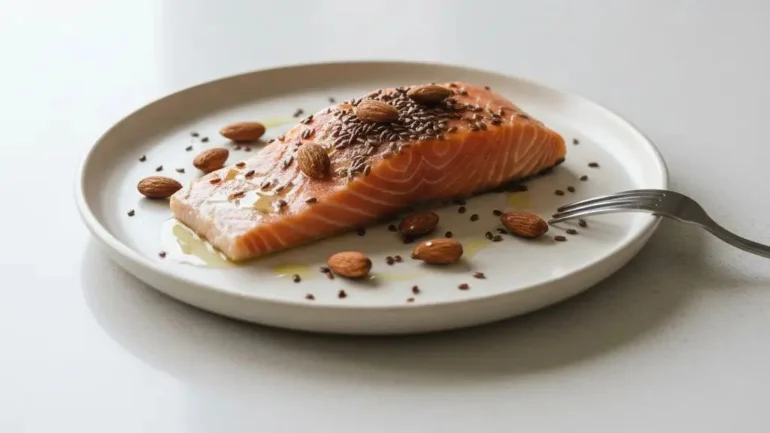
Why Low-GI Foods Help Burn Fat
One reason low glycemic foods support weight loss is their effect on hunger hormones and energy stability. When blood sugar rises slowly, the body avoids the cycle of energy spikes followed by fatigue and cravings.
Many blood sugar control foods help extend fullness after meals. This reduces unnecessary snacking and supports consistent calorie balance.
Stable glucose levels also help maintain insulin balance, which is important for fat metabolism. When insulin remains elevated for long periods, the body tends to store fat rather than burn it.
Foods rich in fiber and complex carbohydrates function as slow carbs, allowing the body to access energy gradually. This improves endurance, focus, and metabolic efficiency.
Over time, these small improvements in energy regulation support sustainable fat loss without extreme dieting.
Low Glycemic Foods to Eat More Often
Including more low glycemic foods in daily meals does not require complicated meal planning. Many everyday foods naturally have a low glycemic index and provide essential nutrients.
Examples of blood sugar control foods include:
- legumes
- vegetables
- whole grains
- nuts
- seeds
- certain fruits
These foods support digestion, energy balance, and appetite regulation. Because they function as slow carbs, they help maintain fullness longer than refined carbohydrates.
Maintaining insulin balance through food choices supports the body’s natural fat-burning processes. Over time, consistent eating habits become more effective than short-term dieting.
Choosing minimally processed foods is one of the easiest ways to improve glycemic balance while supporting overall health.
Low-GI Fruits
Fruits can be part of a low glycemic foods plan when the right options are chosen. Many fruits contain fiber and water, which slow sugar absorption.
Examples include:
- apples
- berries
- pears
- cherries
- oranges
These fruits are excellent blood sugar control foods because they provide natural sweetness without causing rapid glucose spikes.
Their fiber content also makes them slow carbs, helping maintain fullness between meals. Including fruit as a snack or part of breakfast can support energy balance throughout the day.
Because they support insulin balance, low-GI fruits can be included regularly in safe weight loss nutrition.
Slow-Digesting Carbohydrates
Whole grains and legumes are some of the most reliable low glycemic foods available. Their fiber and complex carbohydrate structure slow digestion.
Examples include:
- oats
- quinoa
- brown rice
- lentils
- chickpeas
- barley
These foods function as slow carbs, providing long-lasting energy. They are also valuable blood sugar control foods that support metabolic stability.
Their role in maintaining insulin balance makes them especially helpful during weight loss. Instead of creating energy crashes, they provide steady fuel that supports daily activity.
Including these carbohydrates in balanced meals improves satiety and supports long-term eating habits.
Building Balanced Low-GI Meals
Balanced meals built around low glycemic foods combine protein, fiber, and healthy fats. This combination slows digestion and stabilizes energy levels.
For example:
- grilled chicken with quinoa and vegetables
- lentil soup with olive oil
- oatmeal with nuts and berries
These meals include blood sugar control foods that help regulate hunger and metabolism.
Combining slow carbs with protein improves satiety and supports muscle maintenance. Healthy fats further slow digestion and support hormone regulation.
Maintaining insulin balance through balanced meals helps the body use energy efficiently rather than storing excess calories.
Consistency is more important than perfection. Small changes in food choices can lead to meaningful improvements in energy, digestion, and weight management over time.
Low glycemic foods are only one part of a sustainable weight-loss strategy. Combining them with protein-rich meals, fiber sources, and healthy fats can make results more consistent and easier to maintain. To see the full list of foods that support safe fat loss, read our pillar guide: The Best Foods to Speed Up Weight Loss Safely.
Conclusion
Low-glycemic nutrition supports safe weight loss by helping the body maintain stable energy levels and balanced metabolism. By focusing on low glycemic foods, meals become more satisfying and less likely to trigger sudden hunger or cravings. This steady energy pattern makes it easier to maintain healthy eating habits without feeling restricted.
Many blood sugar control foods also provide fiber, vitamins, and minerals that support digestion and overall health. These nutrients help regulate appetite and improve metabolic efficiency. When combined with protein and healthy fats, they create meals that support sustainable fat loss.
Choosing slow carbs instead of refined carbohydrates allows the body to use energy gradually throughout the day. This steady digestion supports insulin balance, which plays a key role in how the body stores and burns fat.
Over time, building meals around low glycemic foods creates a consistent nutrition pattern that supports both weight management and long-term health. Instead of focusing on short-term dieting, this approach encourages balanced eating habits that are easier to maintain for life.
References
FAQs
1. What are low glycemic foods?
They are foods that digest slowly and cause smaller increases in blood sugar levels.
2. Do low-GI foods help with weight loss?
Yes. They support appetite control, stable energy, and insulin balance.
3. Are slow carbs better than refined carbs?
Yes. Slow carbs provide sustained energy and improve metabolic stability.
4. Can fruit be low glycemic?
Yes. Apples, berries, pears, and cherries are good examples.
5. Why is insulin balance important?
It helps regulate fat storage and supports efficient energy use.
Read More
This content is for educational purposes only and does not replace professional medical advice. Always consult a healthcare professional before starting any lifestyle changes, supplements, or dietary routines.