
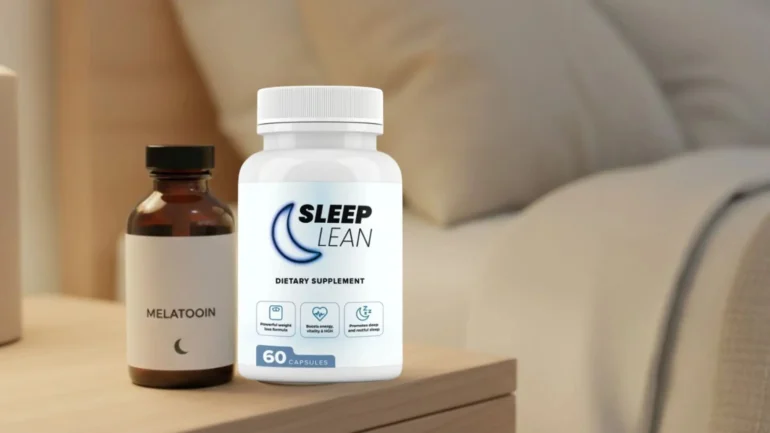
When comparing SleepLean vs melatonin, many people want one clear answer: which option supports weight loss better? Both products focus on sleep. However, their approach and impact on metabolism are different.
Good sleep regulates hormones that control hunger, fat storage, and stress. Because of that, improving rest can indirectly support fat loss. This is where the discussion around melatonin weight loss begins.
Still, not all sleep supplements work the same way. Understanding the differences helps you choose the best strategy for long-term metabolic support.
What Melatonin Supplements Do
Melatonin supplements focus on one primary function: regulating your sleep-wake cycle. Melatonin is a hormone naturally produced by the pineal gland. It signals to your body that it is time to sleep.
Many people use melatonin to reduce sleep latency. In other words, it helps them fall asleep faster. As a result, overall sleep duration may improve.
When discussing SleepLean vs melatonin, it is important to understand that melatonin alone does not directly burn fat. Instead, it improves the environment in which metabolic repair happens.
Research suggests melatonin may influence insulin sensitivity and fat metabolism. Therefore, some experts connect melatonin weight loss benefits to improved hormonal balance during sleep.
However, melatonin supplements typically contain only that single active compound.
Sleep Regulation Basics
Sleep affects leptin and ghrelin, two hormones that control appetite. When you sleep poorly, ghrelin increases and leptin decreases. Consequently, hunger rises and cravings intensify.
Melatonin helps restore circadian rhythm. Once rhythm stabilizes, cortisol levels often decrease at night. Lower nighttime cortisol supports better recovery.
Still, melatonin does not directly target stress resilience, magnesium levels, or serotonin balance. That limitation becomes important in the SleepLean vs melatonin comparison.

How SleepLean Differs
The major difference in SleepLean vs melatonin lies in formulation. SleepLean uses a multi-ingredient blend designed to support several pathways at once.
In addition to melatonin, SleepLean includes magnesium glycinate, ashwagandha, L-theanine, valerian root, chamomile extract, and 5-HTP. Each ingredient plays a specific role in nervous system balance.
Because of this broader approach, SleepLean targets stress regulation, relaxation, and mood support together. This creates a stronger metabolic recovery environment.
Unlike single-ingredient products, SleepLean aims to reduce nighttime cortisol while improving sleep depth. That combination may enhance metabolic efficiency over time.
Multi-Ingredient Formula Benefits
A multi-compound formula works on multiple hormonal pathways. For example, magnesium supports muscle relaxation and glucose metabolism.
Meanwhile, ashwagandha helps regulate stress response. Lower stress can reduce emotional eating patterns. Therefore, the benefits go beyond simple sleep induction.
When comparing SleepLean vs melatonin, the broader formula may provide more comprehensive metabolic support. Instead of targeting only circadian rhythm, SleepLean supports overall recovery.
This difference explains why some users experience stronger results when sleep and stress improve together.
Which Option Supports Metabolism Better?
The answer depends on your goal. If you only struggle with falling asleep, melatonin may be enough. In that case, simple sleep regulation could improve daily energy balance.
However, if stress, cravings, and poor recovery affect your weight loss efforts, the SleepLean vs melatonin comparison shifts. A multi-ingredient formula may offer broader support.
Melatonin weight loss effects are indirect. They depend entirely on sleep quality improvement. SleepLean, on the other hand, combines sleep regulation with stress control and nervous system support.
Because metabolism depends on hormone balance, a comprehensive approach often delivers better long-term results.
Still, lifestyle habits remain essential. No supplement replaces calorie control, strength training, and consistent sleep schedules.
Choosing the Right Sleep Supplement
Choosing between SleepLean vs melatonin requires honest self-assessment. First, identify your main sleep problem. Is it difficulty falling asleep, or constant stress at night?
Next, consider your overall health condition. If you take medication, consult a healthcare professional before using either option.
If your goal focuses strictly on circadian rhythm adjustment, melatonin may work. However, if your objective includes metabolic support and stress reduction, SleepLean may provide additional advantages.
For a full performance analysis, revisit SleepLean Review: Too Good to Be True or Actually Effective?
Making an informed choice improves both sleep quality and long-term results.
Conclusion
The debate around SleepLean vs melatonin centers on simplicity versus comprehensive support. Melatonin helps regulate sleep timing. Meanwhile, SleepLean combines multiple ingredients to support deeper recovery.
Although melatonin weight loss benefits exist, they depend entirely on improved sleep duration and hormone balance. SleepLean aims to influence several pathways at once.
Ultimately, better sleep supports metabolism. However, the right supplement depends on your individual needs and stress levels.
Understanding the difference helps you choose wisely and avoid unrealistic expectations.
References
- National Institutes of Health – Office of Dietary Supplements.
Melatonin Fact Sheet for Health Professionals.
https://ods.od.nih.gov/factsheets/Melatonin-HealthProfessional/ - National Library of Medicine – PubMed Central.
Cipolla-Neto J, Amaral F. Melatonin as a Hormone: New Physiological and Clinical Insights.
https://www.ncbi.nlm.nih.gov/pmc/articles/PMC5405617/ - National Library of Medicine – PubMed.
McHill AW, Wright KP Jr. Role of sleep and circadian disruption on metabolism and obesity.
https://pubmed.ncbi.nlm.nih.gov/24680638/ - National Institutes of Health – PubMed Central.
Spiegel K et al. Sleep loss: a novel risk factor for insulin resistance and Type 2 diabetes.
https://www.ncbi.nlm.nih.gov/pmc/articles/PMC5449130/ - National Library of Medicine – PubMed.
Wurtman RJ. Melatonin and human reproduction.
https://pubmed.ncbi.nlm.nih.gov/10937405/
FAQs
1. Is SleepLean vs melatonin a fair comparison?
Yes, but they serve different purposes. Melatonin mainly regulates your sleep cycle. SleepLean includes melatonin plus additional ingredients for stress and recovery support.
Therefore, the better option depends on your specific sleep and weight loss needs.
2. Does melatonin weight loss really work?
Melatonin does not directly burn fat. Instead, it improves sleep quality. Better sleep helps regulate hunger hormones and insulin sensitivity.
As a result, melatonin weight loss effects are indirect and depend on consistent sleep improvement.
3. Can SleepLean improve metabolism more than melatonin?
Possibly. In the SleepLean vs melatonin comparison, SleepLean may offer broader metabolic support because it combines multiple ingredients.
For example, magnesium and adaptogens may help reduce stress-related weight gain.
4. Is it safe to take melatonin every night?
Short-term use is generally considered safe for most adults. However, long-term use should be discussed with a healthcare professional.
Always follow dosage recommendations to reduce side effects like grogginess or headaches.
5. Which is better for stress-related weight gain?
If stress is a major factor, SleepLean may offer more benefits than melatonin alone. Its multi-ingredient formula supports relaxation and cortisol balance.
In contrast, melatonin primarily regulates circadian rhythm.
Read More
If you’re researching deeper before choosing between SleepLean vs melatonin, explore these related guides:
- SleepLean Ingredients: How It Works – A Complete Breakdown
- The Best Protein Snacks to Eat Before Bed for Better Sleep
- SleepLean Review: Too Good to Be True or Actually Effective?
- SleepLean Side Effects: What You Need to Know Before
This content is for educational purposes only and does not replace professional medical advice. Always consult a healthcare professional before starting any lifestyle changes, supplements, or dietary routines.