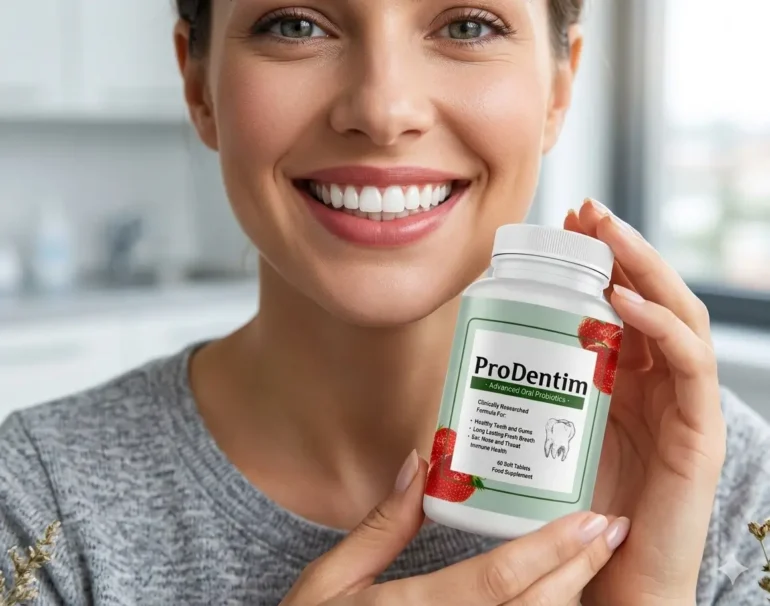

Supplement Red Flags are becoming increasingly important to understand as dietary supplements flood the market at an unprecedented pace. From energy boosters to immune support formulas, supplements are promoted everywhere on social media, blogs, and even through influencer recommendations. While some products are genuinely helpful, many others hide poor-quality ingredients, misleading claims, or unsafe formulations behind attractive labels and marketing buzzwords.
The problem is that supplements are not regulated as strictly as prescription medications. This means manufacturers can sometimes exaggerate benefits, underdose key nutrients, or fail to disclose critical information. As a result, consumers may unknowingly waste money or, worse, put their health at risk.
Recognizing Supplement Red Flags allows you to make smarter, safer decisions. Simple warning signs such as vague ingredient lists, unrealistic promises, or lack of third-party testing can reveal a lot about a product’s true quality. In this guide, you’ll learn how to identify these red flags before buying, helping you protect both your well-being and your long-term health goals.
Why Supplement Red Flags Are Important
Understanding why supplement red flags matter is the natural next step after realizing how unregulated and misleading this industry can be. Supplements are often marketed as “natural,” “safe,” or “doctor-approved,” but these labels alone do not guarantee quality, effectiveness, or safety. Knowing how to identify red flags helps you move from passive consumer to informed decision-maker.
When you ignore warning signs, you risk more than just wasting money. Low-quality supplements can lead to nutrient imbalances, unwanted side effects, interactions with medications, or long-term health issues. That’s why learning to recognize supplement red flags is not optional it’s essential.
Below are the most important warning signs you should never overlook.
1. Unrealistic or Exaggerated Claims
One of the most obvious supplement red flags is overpromising results.
Be cautious of claims such as:
- “Cures all diseases”
- “Instant fat loss”
- “Works overnight”
- “Guaranteed results for everyone”
No legitimate supplement can deliver dramatic, universal results without lifestyle factors. These claims are designed to trigger emotions, not logic.
Rule of thumb: If it sounds too good to be true, it usually is.
2. Vague or Hidden Ingredient Labels
Transparency matters. High-quality supplements clearly list:
- All ingredients
- Exact dosages
- Active vs. inactive compounds
Red flags include:
- “Proprietary blends” with no dosage breakdown
- Missing ingredient amounts
- Scientific-sounding names with no explanation
Without knowing what you’re consuming and how much you cannot judge safety or effectiveness.

3. Lack of Third-Party Testing or Certifications
Reputable brands invest in independent testing to verify purity and potency.
Warning signs include:
- No mention of third-party testing
- No quality seals (GMP, NSF, USP)
- No manufacturing standards disclosed
Testing ensures the product actually contains what the label claims and nothing harmful.
4. Aggressive Marketing and Fear-Based Tactics
Many low-quality supplement brands rely on urgency and fear rather than education.
Examples:
- Countdown timers on every page
- “Doctors don’t want you to know this”
- Claims that modern medicine is hiding the truth
Trustworthy brands educate first and sell second. Fear-driven marketing is a major supplement red flag.
5. No Clear Brand Identity or Contact Information
Always check who is behind the product.
Red flags include:
- No physical address
- No customer support details
- Anonymous company ownership
- Recently created websites with no brand history
If a company is hard to find or contact, accountability is likely missing.
6. Ignoring Potential Risks, Side Effects, or Interactions
Responsible supplement companies acknowledge limitations.
Be cautious if:
- Side effects are never mentioned
- Drug interactions are ignored
- “100% safe for everyone” is claimed
Even natural ingredients can affect the body differently depending on health conditions, dosage, or medications.
Why This Knowledge Protects You
Learning to spot supplement red flags empowers you to:
- Avoid ineffective or unsafe products
- Invest in evidence-based supplements
- Protect your long-term health
- Make confident, informed decisions
This awareness sets the foundation for choosing supplements that truly support your goals instead of undermining them.
How to Choose Supplements More Safely
Even when you understand common supplement red flags, making safe and effective choices still requires a thoughtful approach. The first and most important step is to research each ingredient individually. Do not rely solely on front-label claims. Instead, look for ingredients that are backed by credible scientific studies and are used in dosages proven to be effective. This helps you separate real benefits from marketing hype.
Next, take time to read unbiased reviews and expert opinions. Independent review platforms, health publications, and clinical discussions often reveal patterns both positive and negative that brand websites may not disclose. Pay attention to consistent feedback about effectiveness, side effects, and transparency rather than isolated testimonials.
Finally, choose brands that clearly explain their formulas. Trustworthy companies provide full ingredient lists, disclose dosages, explain how the supplement works, and often invest in third-party testing. Many consumers also prefer supplements that support energy and metabolism naturally when combined with balanced nutrition, movement, and proper sleep not as a replacement for healthy habits, but as support.
Conclusion
Not all supplements are created equal, and the label alone rarely tells the full story. While some products can genuinely support health, others rely on vague claims, hidden ingredients, or poor-quality formulations.
By learning to recognize supplement red flags and applying simple evaluation steps, you place yourself in control of your health decisions. Informed choices reduce risk, save money, and help you focus on solutions that align with your long-term wellness goals. When it comes to supplements, awareness is not optional it is essential.
References Consulted
Harvard Health Publishing – Dietary Supplements Overview
https://www.health.harvard.edu
National Institutes of Health (NIH) – Office of Dietary Supplements
FDA – Dietary Supplement Safety
FAQs
What are red flags for supplements?
Supplement red flags include vague ingredient lists, proprietary blends with undisclosed dosages, exaggerated health claims, and promises of instant results. Other warning signs are lack of third-party testing, no clear manufacturer information, and products marketed as “miracle cures.” If a supplement avoids transparency, it’s often a signal to proceed with caution.
What are the warning signs to look for when taking supplements?
Warning signs may include unexpected side effects such as nausea, headaches, digestive discomfort, rapid heartbeat, or unusual fatigue. Sudden changes in sleep, mood, or appetite can also indicate that a supplement is not suitable for your body. Always stop use and consult a healthcare professional if symptoms persist.
What are the signs of supplement toxicity?
Signs of supplement toxicity depend on the nutrient but may include dizziness, vomiting, liver stress, nerve issues, or irregular heart rhythms. Fat-soluble vitamins and high-dose minerals are more likely to cause toxicity when overused. Taking more than the recommended dose does not increase benefits and can significantly increase risk.
What is the best way to check if a supplement is safe?
The best way to check supplement safety is to review the ingredient list, verify dosages, and look for third-party testing certifications. Research each ingredient using reputable medical or academic sources and confirm that the brand follows Good Manufacturing Practices (GMP). When in doubt, consulting a healthcare provider is the safest option.
How can I tell if a supplement is high quality?
High-quality supplements clearly list all ingredients and dosages, use scientifically supported compounds, and are produced by reputable brands with transparent labeling. Look for independent testing, clear sourcing information, and realistic claims. Quality supplements support health they don’t rely on hype or fear-based marketing.
Read More
- Continue reading: The Truth About “Natural” Supplements: What Labels Don’t Tell You
- Explore category: Product Insights
This content is for educational purposes only and does not replace professional medical advice. Always consult a healthcare professional before starting any lifestyle changes, supplements, or dietary routines.