
Feeling low on energy and metabolism is more common than many people realize. Modern lifestyles, stress, unbalanced diets, and poor sleep habits can quietly affect how the body produces and uses energy. While fatigue is often blamed on being “too busy,” there are natural factors that play a much deeper role.
Vitamins are essential nutrients that help the body convert food into usable energy and support metabolic processes. When certain vitamins are lacking or not optimally absorbed, energy levels may drop and metabolism can feel sluggish. This doesn’t mean quick fixes or extreme solutions are needed. Often, understanding how key vitamins work is the first step toward supporting natural energy balance.
In this article, you’ll learn which vitamins are commonly associated with energy and metabolism, how they function in the body, and why a balanced approach to wellness matters more than isolated solutions.
Key Vitamins That Support Energy and Metabolism
The body depends on a variety of vitamins to maintain energy production and metabolic efficiency. These nutrients work together, not independently, to support daily vitality.
B Vitamins and Energy Production
B vitamins are often associated with energy because they play a direct role in converting food into fuel. Rather than providing energy themselves, they help the body unlock energy from carbohydrates, fats, and proteins.
Important B vitamins include:
- Vitamin B1 (Thiamine): Supports carbohydrate metabolism
- Vitamin B2 (Riboflavin): Helps convert food into energy
- Vitamin B3 (Niacin): Supports metabolic reactions
- Vitamin B6: Plays a role in protein metabolism
- Vitamin B12: Supports energy production and red blood cell formation
Low levels of B vitamins may contribute to feelings of fatigue, especially in people with restrictive diets or increased stress.
Vitamin D and Metabolic Balance
Vitamin D is widely known for its role in bone health, but it also plays a part in metabolic function. It supports muscle function and may influence how the body manages energy.
Many people have low vitamin D levels due to limited sun exposure, indoor lifestyles, or seasonal changes. When levels are low, energy and overall well-being may be affected.
Vitamin C and Daily Vitality
Vitamin C supports the immune system and helps protect cells from oxidative stress. It also contributes to the production of certain neurotransmitters involved in alertness.
While vitamin C is not a stimulant, adequate intake supports the body’s ability to cope with physical and mental stress, which can indirectly support energy levels.
Vitamin A and Cellular Function
Vitamin A supports cellular growth and maintenance. Healthy cells are essential for efficient metabolic processes. Although it’s less commonly discussed in energy conversations, vitamin A plays a supporting role in overall metabolic health.
Balance is key, as excessive intake is not recommended.

How Vitamins Interact With Metabolism and Lifestyle Factors
Vitamins do not work in isolation. Their effectiveness depends on diet quality, absorption, and daily habits.
Nutrient Absorption Matters
Even if a diet includes vitamins, absorption can vary. Digestive health, gut balance, and overall nutrient intake influence how well the body uses vitamins.
For example:
- Poor digestion may reduce absorption
- Highly processed foods may lack supportive nutrients
- Stress can affect nutrient utilization
Supporting digestion and choosing whole foods can improve how vitamins function in the body.
Diet Quality and Energy Stability
A balanced diet provides not only vitamins but also minerals, fiber, and healthy fats that support metabolic balance. Relying on refined foods may lead to energy spikes followed by crashes.
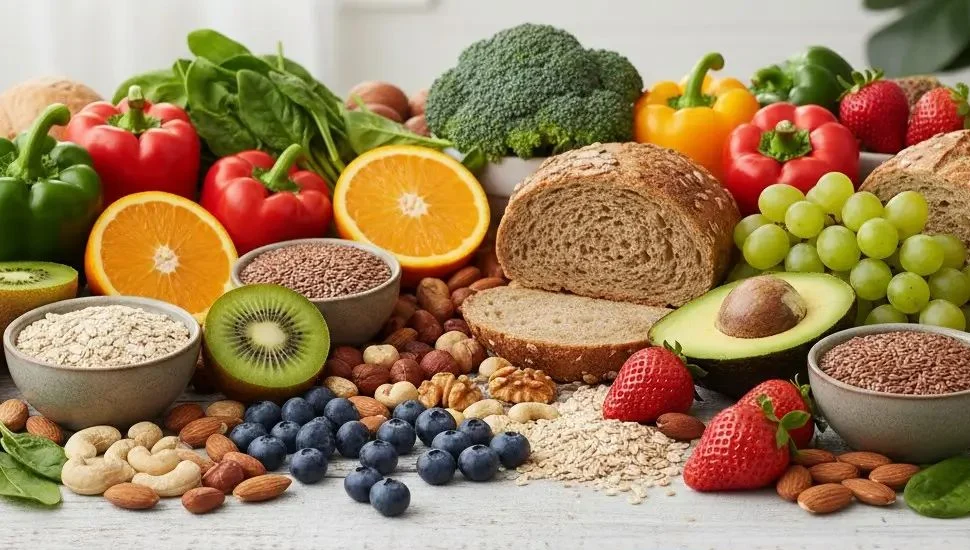
Whole foods such as vegetables, fruits, lean proteins, and whole grains naturally supply vitamins that support steady energy throughout the day.
Stress and Vitamin Demand
Chronic stress can increase the body’s demand for certain nutrients, especially B vitamins and vitamin C. When stress is ongoing, nutrient needs may rise without being obvious.
This is why lifestyle balance is just as important as nutrition.
Sleep and Metabolic Support
Sleep allows the body to regulate hormones involved in metabolism. Even with good nutrition, poor sleep can interfere with how efficiently energy is produced and used.
Healthy sleep habits help vitamins and nutrients work more effectively.
Natural Approaches to Supporting Energy and Metabolism
Rather than focusing on one vitamin or solution, many people explore holistic wellness approaches that support overall balance.
Balanced Nutrition First
Food should be the primary source of vitamins whenever possible. A varied diet naturally supports energy and metabolism without extreme measures.
Gentle Supplement Education
Some people choose to learn about natural supplement approaches that combine vitamins with lifestyle guidance. When used responsibly, supplements are viewed as supportive tools, not replacements for healthy habits.
Educational wellness programs often focus on:
- Metabolic balance
- Daily energy support
- Long-term consistency
This approach aligns well with AdSense guidelines when presented informatively.
Consistency Over Quick Fixes
Energy and metabolism improve gradually. Small, sustainable changes often lead to better long-term results than aggressive or restrictive strategies.
Some people choose to explore educational wellness programs and natural supplement approaches designed to support energy and metabolic balance.
You can learn more about one natural option on the official website here.
Conclusion
Vitamins play an important role in supporting energy and metabolism, but they work best as part of a balanced lifestyle. B vitamins, vitamin D, vitamin C, and others contribute to how the body converts food into energy and maintains metabolic health.
Understanding how these nutrients function helps shift the focus away from quick fixes and toward sustainable wellness. When combined with quality sleep, balanced nutrition, stress management, and gentle movement, vitamins can support steady energy in a natural way.
Listening to the body and supporting it with consistent habits is often the most effective path toward feeling more energized and balanced.
References
- National Institutes of Health – Vitamins and Energy
https://ods.od.nih.gov - Harvard Health Publishing – Nutrition and Metabolism
https://www.health.harvard.edu - Mayo Clinic – Vitamins and Supplements Overview
https://www.mayoclinic.org
FAQs
1. Do vitamins directly give you energy?
No. Vitamins help the body convert food into energy rather than acting as stimulants.
2. Are B vitamins important for metabolism?
Yes. B vitamins play a key role in metabolic processes and energy production.
3. Can vitamin D affect energy levels?
Low vitamin D levels may contribute to fatigue in some people.
4. Is it better to get vitamins from food or supplements?
Food is generally the best source, while supplements may support specific needs.
5. How long does it take to notice changes in energy?
Improvements usually happen gradually with consistent habits.
Read More
Continue exploring natural wellness:
- Morning vs Night Supplements: What’s Better?
- How Stress Impacts Weight Gain and How to Fix It
- Natural Supplements for Better Energy and Balance
This content is for educational purposes only and does not replace professional medical advice. Always consult a healthcare professional before starting any lifestyle changes, supplements, or dietary routines.
Some links in this article may be affiliate links. If you decide to make a purchase, I may receive a small commission at no additional cost to you. This helps us continue producing free content.