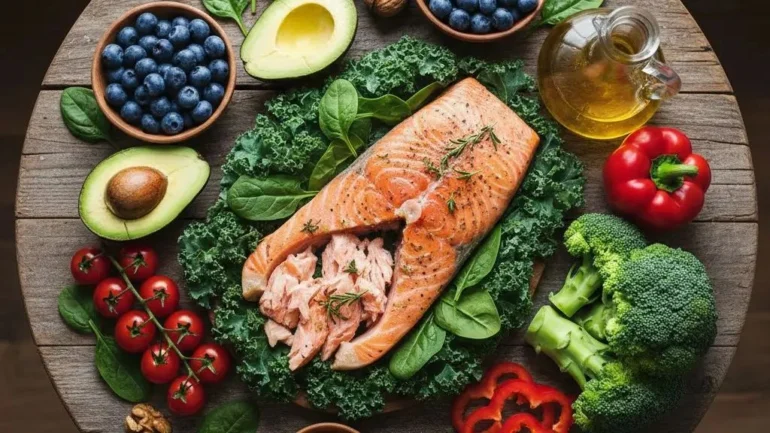
Healthy weight management is not only about counting calories or exercising more. Choosing anti-inflammatory foods can support metabolism and improve how the body stores and burns energy. When inflammation levels decrease, the body becomes more responsive to natural weight regulation.
Many people experience difficulty losing weight because their bodies remain in a constant state of low-grade stress. This condition, known as chronic inflammation, can interfere with hormones related to hunger and energy balance. Over time, this imbalance may slow progress toward sustainable weight loss.
Understanding how nutrition influences inflammation helps create a safer path to long-term health. Instead of extreme dieting, focusing on whole foods allows the body to function efficiently. This approach supports steady fat loss while protecting overall wellness.
If you want a broader understanding of nutrition strategies for sustainable fat loss, explore our complete guide to complete safe weight loss food list , where we explain how different foods work together to support metabolism, appetite control, and long-term weight balance.
Inflammation and Weight Gain Connection
Inflammation is a natural defense mechanism that helps the body recover from injury or infection. However, when inflammation becomes persistent, it can disrupt metabolic processes. This imbalance often contributes to gradual weight gain and difficulty losing stored fat.
Highly processed foods, excess sugar, and poor sleep patterns can increase inflammatory markers in the body. These factors influence insulin sensitivity and encourage fat storage, especially around the abdomen. Over time, this cycle makes weight loss more challenging and less predictable.
Reducing inflammatory triggers through diet can improve metabolic flexibility and energy use. Whole foods rich in antioxidants help regulate hormones involved in appetite and digestion. This is why anti-inflammatory nutrition plays an important role in healthy fat loss and long-term weight stability.
How Chronic Inflammation Slows Metabolism
When chronic inflammation remains active, the body prioritizes defense instead of energy balance. Hormones like cortisol can stay elevated for long periods. This state encourages fat storage and reduces calorie burning efficiency.
Inflammation can also affect insulin signaling and blood sugar stability. When cells become less responsive to insulin, the body stores more energy as fat. This metabolic resistance slows natural fat loss over time.
Another effect involves mitochondrial function, which controls how the body produces energy. Inflammatory compounds may reduce cellular energy output. As metabolism slows, sustainable weight loss becomes more difficult to maintain.
Top Anti-Inflammatory Foods for Fat Loss
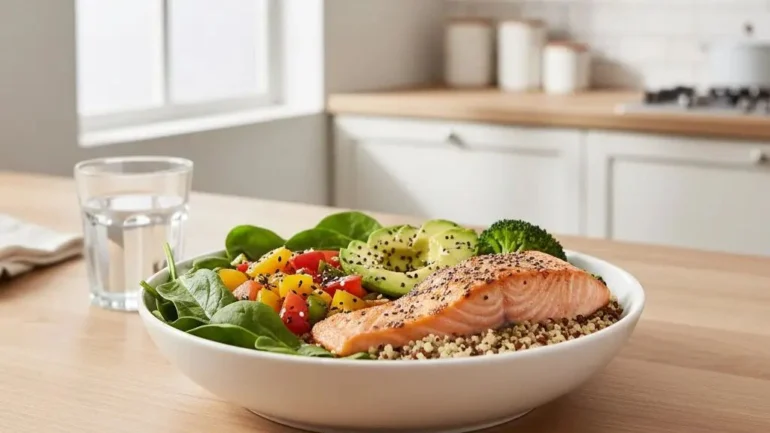
Whole foods rich in antioxidants help the body neutralize inflammatory compounds. Vegetables like spinach, broccoli, and kale contain phytonutrients that support metabolic balance. These foods promote gradual fat loss without extreme calorie restriction.
Berries such as blueberries, strawberries, and raspberries provide natural polyphenols. These compounds help regulate blood sugar and reduce oxidative stress. Including them regularly supports healthier digestion and steady weight loss.
Healthy fats also play an important role in anti-inflammatory nutrition. Avocados, olive oil, and nuts help regulate hunger hormones and improve nutrient absorption. These anti-inflammatory foods help the body maintain stable energy levels throughout the day.
Healthy Spices and Herbs
Certain spices contain concentrated anti-inflammatory compounds that support metabolism. Turmeric, for example, contains curcumin, which helps reduce inflammatory signaling. Adding small amounts to meals may support gradual fat loss.
Ginger is another powerful root that supports digestion and circulation. It may help reduce bloating and improve nutrient absorption. These effects contribute to safer weight loss when combined with balanced meals.
Herbs like rosemary, oregano, and basil contain protective plant compounds. They help reduce oxidative stress while enhancing flavor naturally. Using herbs regularly can make anti-inflammatory eating easier and more sustainable.
Omega-Rich Foods
Omega-3 fatty acids are essential nutrients that help regulate inflammatory responses. Fatty fish like salmon, sardines, and mackerel are among the best sources. These foods support heart health and improve metabolic function.
Plant-based omega sources include chia seeds, flaxseeds, and walnuts. These foods provide fiber and healthy fats that support digestion. They also help stabilize appetite and support consistent fat loss.
Regular intake of omega-rich foods may improve hormone balance related to hunger. This can reduce cravings and support long-term weight loss. Over time, these dietary choices help lower chronic inflammation naturally.
Simple Anti-Inflammatory Eating Habits
Building meals around whole foods is one of the simplest strategies to reduce inflammation. Prioritizing vegetables, lean proteins, and healthy fats supports metabolic stability. These habits encourage steady weight loss without extreme restrictions.
Staying hydrated also supports the body’s natural detoxification processes. Water helps transport nutrients and remove metabolic waste. Proper hydration supports digestion and reduces inflammation-related fatigue.
Consistency matters more than perfection when adopting anti-inflammatory habits. Small daily improvements in food choices can produce long-term benefits. Over time, these routines help reduce chronic inflammation and support sustainable fat loss.
Nutrition works best when multiple healthy habits come together. While this article focused on one important category of foods, you can deepen your understanding by reading our full guide to safe weight loss food list, where we explain how to combine these foods for consistent and sustainable weight loss.
Conclusion
Lasting results come from supporting the body rather than fighting against it. Choosing nutrient-dense foods helps calm chronic inflammation and restore metabolic balance. This creates a safer environment for gradual weight loss.
Instead of extreme diets, focus on consistency and food quality. Anti-inflammatory strategies nourish hormones, digestion, and cellular energy production. Over time, this approach promotes steady fat loss without unnecessary stress.
Healthy eating should feel sustainable and realistic for everyday life. Small improvements made daily often deliver stronger results than short-term restrictions. By prioritizing whole, anti-inflammatory choices, you support both your metabolism and long-term health.
References
- Harvard Health Publishing – Foods that fight inflammation
https://www.health.harvard.edu/staying-healthy/foods-that-fight-inflammation - National Institutes of Health (NIH) – Inflammation and metabolic disorders
https://www.ncbi.nlm.nih.gov/pmc/articles/PMC5507106/ - Mayo Clinic – Weight loss basics
https://www.mayoclinic.org/healthy-lifestyle/weight-loss/in-depth/weight-loss/art-20047752 - Cleveland Clinic – Anti-inflammatory diet
https://health.clevelandclinic.org/anti-inflammatory-diet/ - Journal of Nutrition – Omega-3 fatty acids and inflammation
https://academic.oup.com/jn
FAQs
1. What are anti-inflammatory foods?
They are whole foods rich in antioxidants, healthy fats, fiber, and phytonutrients. Examples include leafy greens, berries, fatty fish, olive oil, nuts, and seeds.
2. Can reducing inflammation really help with weight loss?
Yes. Lowering chronic inflammation improves hormone balance and insulin sensitivity, which supports natural fat loss and metabolic efficiency.
3. How long does it take to see results from an anti-inflammatory diet?
Some people notice improved energy and digestion within a few weeks. Sustainable weight loss usually appears gradually over several months.
4. Are all fats inflammatory?
No. Trans fats and excessive processed oils may increase inflammation. Healthy fats like omega-3 fatty acids help reduce inflammatory responses.
5. Do I need supplements to reduce inflammation?
Not necessarily. A balanced diet rich in whole, anti-inflammatory foods can provide most of the necessary nutrients naturally.
Read More
- The Best Foods to Speed Up Weight Loss Safely
- The Best Foods to Speed Up Weight Loss Safely
- Fiber Foods Weight Loss: Eat More and Stay Full Longer
This content is for educational purposes only and does not replace professional medical advice. Always consult a healthcare professional before starting any lifestyle changes, supplements, or dietary routines.