
Understanding how fiber foods weight loss strategies work can completely change the way people approach healthy eating. Fiber plays a powerful role in appetite control, digestion, and metabolic balance, making it one of the most important nutrients for sustainable fat loss. Unlike restrictive diets that focus only on calories, fiber supports the body’s natural ability to regulate hunger and energy levels. This is why many nutrition experts consider fiber essential among gut health foods that support long-term wellness.
When meals include enough digestion fiber, the body processes carbohydrates more slowly, preventing sudden spikes in blood sugar that often lead to cravings. At the same time, fiber-rich meals increase fullness, which helps reduce overeating without requiring strict dieting rules. Many appetite control foods naturally contain fiber, making it easier to build balanced meals that support weight management.
Learning how fiber works alongside protein, healthy fats, and low-glycemic foods helps create a sustainable eating pattern. These foods are part of a broader safe weight loss foods guide that supports gradual fat loss while improving digestion, energy levels, and overall health.
How Fiber Supports Fat Loss Naturally
Fiber influences weight loss in several important ways. First, it slows digestion, allowing nutrients to be absorbed gradually. This steady process helps maintain stable energy levels and prevents hunger from returning too quickly after meals. Because of this, fiber foods weight loss strategies often focus on adding whole foods rather than removing calories.
Another key benefit is improved digestive health. Digestion fiber helps move food through the digestive system efficiently, supporting regularity and nutrient absorption. This process contributes to overall metabolic balance, which is essential during weight loss.
Fiber also supports beneficial gut bacteria. These bacteria play a role in metabolism, inflammation regulation, and hormone balance. That is why many gut health foods are naturally rich in fiber, including vegetables, legumes, and whole grains.
By helping the body feel satisfied and energized, fiber makes weight loss feel more manageable. Instead of constant hunger, meals provide lasting fullness that supports healthy habits over time.
Fiber and Blood Sugar Stability
One of the most important roles of fiber foods weight loss nutrition is blood sugar control. Fiber slows carbohydrate absorption, preventing rapid glucose spikes that can trigger hunger and fatigue.
This steady release of energy supports appetite regulation. Meals rich in digestion fiber help reduce cravings between meals, making it easier to maintain consistent eating patterns.
Stable blood sugar also supports hormone balance, which plays a role in fat storage and energy use. Many appetite control foods, such as oats, beans, and vegetables, contain soluble fiber that helps regulate glucose levels naturally.
Over time, balanced blood sugar contributes to improved metabolic efficiency. This allows the body to use energy more effectively instead of storing excess calories as fat.
Because of this, fiber becomes a key component of safe weight loss rather than just a digestive aid.
High-Fiber Foods That Help You Stay Full
The most effective fiber foods weight loss choices are whole, minimally processed foods that provide both fiber and essential nutrients. These foods support digestion while helping the body feel satisfied longer.
Vegetables, legumes, fruits, whole grains, seeds, and nuts all contribute to gut health foods that improve satiety and metabolic stability. Including a variety of these foods ensures better nutrient balance.
Fiber absorbs water and expands in the digestive system, which helps create a feeling of fullness. This is one reason appetite control foods rich in fiber are often recommended for people trying to lose weight safely.
Consistency matters more than perfection. Adding small portions of fiber-rich foods to each meal can significantly improve fullness and digestion over time.
Vegetables Rich in Fiber
Vegetables are among the most accessible fiber foods weight loss options. They provide fiber with very few calories while delivering vitamins, minerals, and antioxidants.
Examples include:
- Broccoli
- Carrots
- Spinach
- Brussels sprouts
- Sweet potatoes
- Zucchini
These foods are also important gut health foods, supporting digestion and beneficial bacteria. Their high water and fiber content make them excellent appetite control foods that help reduce overeating.
Including vegetables in most meals improves satiety and helps balance calorie intake naturally.
Whole Grains and Seeds
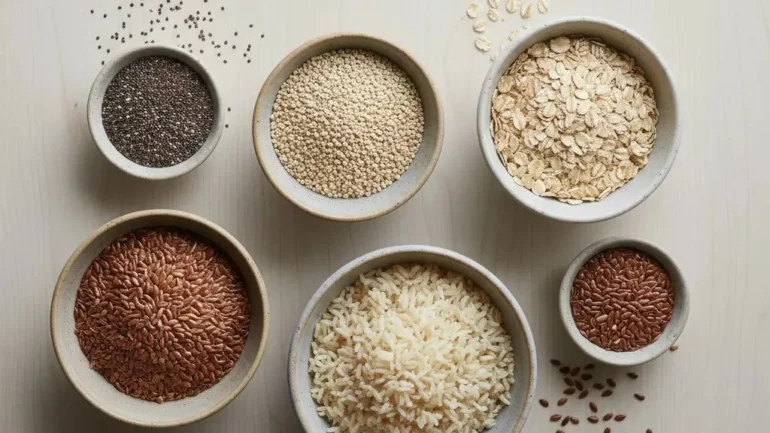
Whole grains and seeds are powerful sources of digestion fiber that support sustained energy. Unlike refined grains, whole grains retain their fiber-rich outer layers.
Examples include:
- Oats
- Brown rice
- Quinoa
- Chia seeds
- Flaxseeds
- Barley
These foods contribute to fiber foods weight loss strategies by slowing digestion and stabilizing blood sugar levels. They are also valuable gut health foods because they support beneficial intestinal bacteria.
Seeds like chia and flax absorb water and expand in the stomach, making them excellent appetite control foods that promote fullness.
Including whole grains and seeds regularly can help maintain balanced energy and reduce cravings.
Daily Fiber Intake for Weight Control
Getting enough fiber each day is essential for effective fiber foods weight loss results. Most adults benefit from gradually increasing fiber intake through whole foods rather than supplements.
Nutrition experts often recommend around 25–35 grams of fiber daily. This amount supports digestion, appetite regulation, and metabolic health.
Adding digestion fiber slowly helps the body adjust comfortably. Drinking enough water also supports fiber’s role in digestion.
Many gut health foods naturally provide fiber, making it easier to reach daily goals without complicated planning. Combining vegetables, legumes, whole grains, and seeds throughout the day creates balanced meals.
Over time, these habits improve satiety and energy balance. Fiber works best when combined with protein and healthy fats, forming meals that support safe and steady fat loss.
Conclusion
Fiber is one of the most effective nutrients for supporting sustainable weight loss because it helps regulate appetite, digestion, and blood sugar balance. By slowing digestion and promoting fullness, fiber foods weight loss strategies make it easier to maintain healthy eating habits without extreme restriction. This natural support system allows the body to lose weight gradually while maintaining stable energy levels.
Including more digestion fiber in daily meals improves digestive function and supports beneficial gut bacteria. These bacteria play an important role in metabolism, hormone balance, and inflammation control. That is why many gut health foods are naturally rich in fiber, including vegetables, legumes, whole grains, and seeds.
Fiber also works as one of the most reliable appetite control foods, helping reduce cravings and unnecessary snacking. When meals are built around fiber-rich ingredients, fullness lasts longer and calorie balance becomes easier to maintain.
As part of a balanced nutrition approach, fiber complements protein and healthy fats in a weight loss foods guide, creating a sustainable foundation for long-term health and weight control.
References
- Harvard T.H. Chan School of Public Health — Fiber
https://www.hsph.harvard.edu/nutritionsource/carbohydrates/fiber/ - Mayo Clinic — Dietary Fiber
https://www.mayoclinic.org/dietary-fiber - Cleveland Clinic — Benefits of Fiber
https://health.clevelandclinic.org/why-is-fiber-good-for-you
FAQs
1. Are fiber foods important for weight loss?
Yes. Fiber supports fullness, digestion, and blood sugar control, which helps regulate calorie intake.
2. What are the best fiber foods weight loss options?
Vegetables, legumes, oats, seeds, and whole grains are excellent choices.
3. Can fiber improve digestion?
Yes. Digestion fiber supports regular bowel movements and gut health.
4. How do appetite control foods work?
They slow digestion and increase fullness, reducing hunger between meals.
5. How much fiber should I eat daily?
Most adults benefit from 25–35 grams of fiber per day.
Read More
- The Best Foods to Speed Up Weight Loss Safely
- Low Glycemic Foods for Weight Loss
- How to fix a slow metabolism naturally
This content is for educational purposes only and does not replace professional medical advice. Always consult a healthcare professional before starting any lifestyle changes, supplements, or dietary routines.