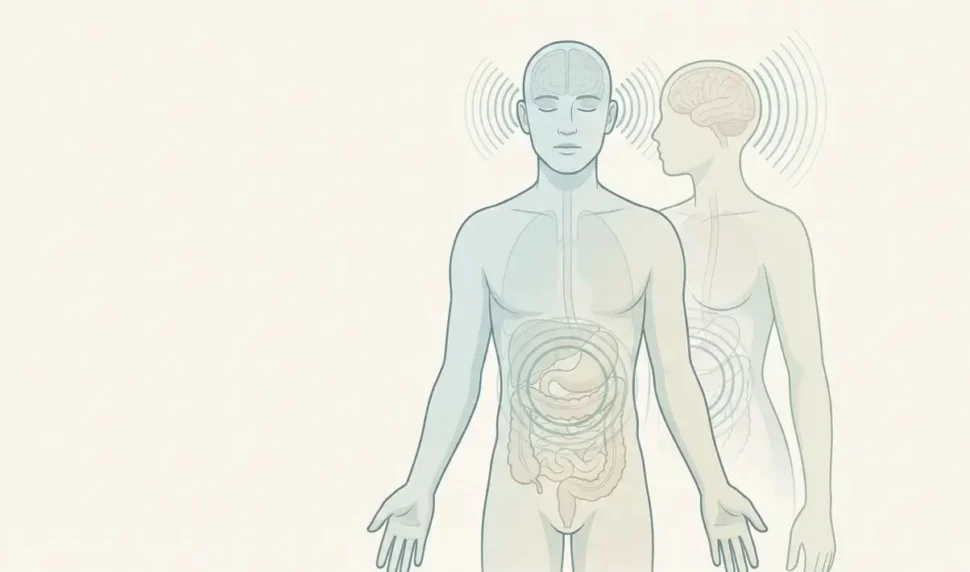
How stress impacts weight gain is something many people don’t fully understand, even though stress is a normal part of modern life. Work deadlines, financial worries, family responsibilities, and constant notifications can all put pressure on our minds and bodies. While short-term stress can sometimes be motivating, chronic stress is different. Over time, it can quietly affect your health in ways you may not immediately notice, including changes in metabolism, appetite, and fat storage.
Many people feel frustrated when they eat relatively well and still struggle with extra weight. What they often don’t realize is that stress plays a powerful role in how the body stores fat, regulates hunger, and manages energy. Stress-related weight gain is not about a lack of discipline — it is closely connected to biology, hormones, and daily habits shaped by ongoing pressure.
Understanding how stress impacts weight gain is the first step toward managing it. In this article, we’ll explore the science behind stress and weight, common signs that stress may be affecting your body, and practical, realistic steps you can take to regain balance.
How Stress Impacts Weight Gain
Stress impacts the body through a complex network of hormones and neurological responses. When these systems are activated too often, they can make weight management much harder.
The Role of Cortisol
Cortisol is often called the “stress hormone.” It’s released by the adrenal glands in response to perceived threats. In short bursts, cortisol helps the body respond to danger. However, when stress becomes chronic, cortisol levels can remain elevated for long periods.
High cortisol levels are associated with:
- Increased appetite
- Strong cravings for sugary or high-fat foods
- Fat storage, especially around the abdomen
Abdominal fat is particularly sensitive to cortisol. This is why many people notice weight gain around the midsection during stressful periods, even if their diet hasn’t changed significantly.
Stress and Blood Sugar Imbalances
Stress can also interfere with how the body regulates blood sugar. Elevated cortisol can increase blood glucose levels, which may lead to insulin resistance over time. When insulin isn’t working efficiently, the body is more likely to store excess calories as fat rather than use them for energy.
This cycle can create sudden energy crashes, stronger cravings, and frequent hunger — all of which make healthy eating more difficult.
Emotional Eating and Stress Habits
Stress doesn’t just affect hormones. It also influences behavior. Many people turn to food as a coping mechanism, often without realizing it. This is known as emotional eating.
Stress-related eating patterns often include:
- Snacking late at night
- Eating quickly or mindlessly
- Reaching for comfort foods during emotional moments
These habits are not a personal failure. They are learned responses to stress that can be unlearned with awareness and support.
Sleep Disruption and Weight Gain
Chronic stress often disrupts sleep. Poor sleep quality affects hunger hormones like ghrelin and leptin, increasing appetite and reducing feelings of fullness.
When you’re tired:
- You crave quick energy foods
- Your metabolism may slow
- Motivation for physical activity drops
Over time, this combination creates an environment where weight gain becomes more likely.

What You Can Do to Reduce Stress-Related Weight Gain
The goal is not to eliminate stress entirely that’s unrealistic. Instead, the focus should be on managing stress in a way that supports your body rather than working against it.
Prioritize Stress Awareness
The first step is recognizing stress patterns. Pay attention to:
- When cravings appear
- Times of day when energy drops
- Emotional triggers that lead to eating
Simply noticing these patterns can reduce their power. Awareness helps you pause before reacting automatically.
Support Your Nervous System Daily
Small daily habits can help calm the nervous system and reduce cortisol levels naturally. These don’t require drastic lifestyle changes.
Helpful practices include:
- Deep breathing for 5 minutes
- Short walks outdoors
- Gentle stretching or yoga
- Limiting screen time before bed
Consistency matters more than intensity.
Focus on Balanced Meals
Instead of strict dieting, aim for balanced meals that support stable blood sugar. Meals that include protein, healthy fats, and fiber help reduce cravings and keep you full longer.
Balanced eating can:
- Reduce cortisol spikes
- Support steady energy levels
- Lower stress-related hunger
This approach is more sustainable than restrictive plans.
Improve Sleep Quality
Sleep is one of the most overlooked factors in weight management. Even small improvements can make a difference.
Consider:
- Going to bed at the same time each night
- Keeping your bedroom dark and cool
- Avoiding caffeine late in the day
Better sleep supports hormone balance and reduces stress-related eating.
Gentle Movement Instead of Overtraining
High-intensity exercise can sometimes increase cortisol when the body is already stressed. While movement is important, it’s helpful to balance intense workouts with gentler forms of activity.
Examples include:
- Walking
- Swimming
- Light strength training
Movement should support recovery, not add more stress.
Consider Supportive Wellness Tools
Some people explore stress-support supplements, mindfulness apps, or educational programs to help manage chronic stress. When considering any wellness product, it’s important to choose options that focus on overall balance rather than quick fixes.
Educational resources that explain how stress affects metabolism and mental clarity can also help people make more informed lifestyle choices. These tools are not replacements for medical advice but can support healthy routines when used responsibly.
Conclusion
Stress-related weight gain is real, common, and deeply rooted in biology not willpower alone. Chronic stress affects hormones, sleep, appetite, and behavior, making it harder for the body to maintain a healthy balance.
The good news is that small, consistent changes can have a meaningful impact. By understanding how stress works, supporting your nervous system, improving sleep, and focusing on balanced habits, you create an environment where your body can function more efficiently.
Weight management is not just about food or exercise. It’s about how your body responds to daily pressures. When stress is addressed with care and patience, progress becomes more realistic and sustainable.
References
- American Psychological Association – Stress and Health
https://www.apa.org/topics/stress - Harvard Health Publishing – Stress and Weight Gain
https://www.health.harvard.edu/staying-healthy/why-stress-causes-people-to-overeat - Mayo Clinic – Stress Symptoms and Effects
https://www.mayoclinic.org/healthy-lifestyle/stress-management
FAQs
1. Can stress really cause weight gain even without overeating?
Yes. Chronic stress can increase cortisol levels, which promotes fat storage and affects how the body uses energy, even if calorie intake hasn’t changed much.
2. Why does stress cause belly fat specifically?
Abdominal fat cells are more sensitive to cortisol. When stress is ongoing, the body is more likely to store fat in this area.
3. Does reducing stress help with weight loss?
Managing stress can improve hormone balance, sleep quality, and appetite control, all of which support healthier weight management.
4. Is emotional eating always caused by stress?
Not always, but stress is one of the most common triggers. Emotional eating often develops as a coping response over time.
5. Should I avoid exercise when I’m stressed?
Not necessarily. Gentle or moderate movement is usually beneficial. Overly intense exercise may increase stress if recovery is inadequate.
Read More
- Why Am I Gaining Weight Even When Eating Healthy?
- The Hidden Role of Hormones in Weight Management
- How Sleep Quality Impacts Metabolism and Energy
This content is for educational purposes only and does not replace professional medical advice. Always consult a healthcare professional before starting any lifestyle changes, supplements, or dietary routines.