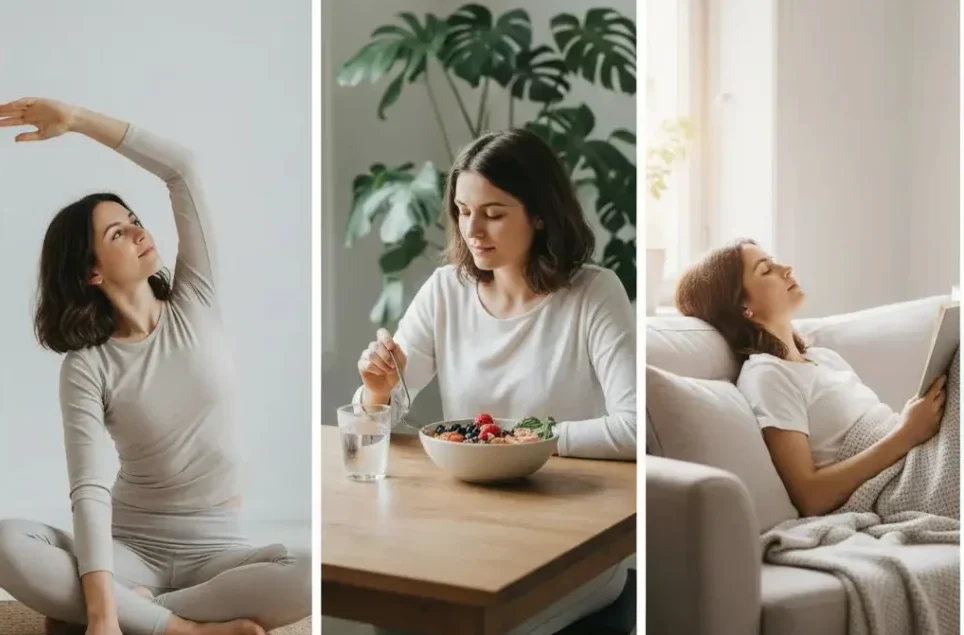
Building a balanced and healthy lifestyle is a goal many people share, yet it often feels overwhelming. With endless advice online, strict routines, and unrealistic expectations, it can be difficult to know where to start. Balance is not about perfection or rigid rules. It is about creating habits that support both physical and mental well-being in a sustainable way.
A healthy lifestyle looks different for everyone. Work schedules, family responsibilities, energy levels, and personal preferences all influence daily choices. The key is to focus on consistency rather than intensity. Small, intentional habits practiced over time tend to have a greater impact than extreme changes that are hard to maintain.
This article explores practical, realistic ways to build a balanced and healthy lifestyle. By understanding how daily habits work together, you can create a routine that supports long-term wellness without adding unnecessary pressure.
Core Elements of a Balanced and Healthy Lifestyle
A balanced lifestyle is made up of several interconnected elements. When one area is neglected, others often feel the impact. Focusing on the foundations helps create stability.
Nourishing the Body With Balanced Nutrition
Nutrition plays a central role in overall health. Rather than following strict diets, balanced nutrition focuses on variety, moderation, and awareness.
Key principles include:
- Eating a mix of whole foods such as fruits, vegetables, whole grains, and lean proteins
- Paying attention to portion sizes without obsessing
- Enjoying meals without guilt
Balanced nutrition supports energy levels, digestion, and mood. It also allows flexibility, which is essential for long-term consistency.
Supporting Daily Movement
Physical activity does not need to be intense or time-consuming to be effective. Regular movement helps support circulation, mobility, and mental clarity.
Examples of accessible movement:
- Walking
- Stretching or mobility exercises
- Light strength training
- Activities you genuinely enjoy
The goal is to move consistently, not to follow a perfect exercise plan.

Prioritizing Rest and Sleep
Rest is often underestimated in healthy lifestyle discussions. Quality sleep allows the body to recover, regulate hormones, and support mental focus.
Healthy sleep habits include:
- Keeping a regular sleep schedule
- Creating a calm bedtime routine
- Limiting stimulating activities before sleep
Adequate rest helps balance energy, mood, and motivation.
Managing Stress in Daily Life
Stress is a natural part of life, but chronic stress can disrupt balance. Learning how to manage stress supports both physical and emotional health.
Simple stress-supporting habits:
- Deep breathing
- Short breaks during the day
- Time outdoors
- Mindfulness practices
Stress management does not eliminate challenges but helps you respond to them more effectively.
Practical Steps to Build Healthy Balance Over Time
A balanced lifestyle is built gradually. These practical steps help turn intentions into sustainable habits.
Creating a Realistic Daily Routine
A routine provides structure without rigidity. It helps reduce decision fatigue and supports consistency.
Tips for building a routine:
- Start with one or two habits
- Keep goals simple and achievable
- Adjust as life changes
A flexible routine is more effective than a strict schedule.
Listening to Your Body’s Signals
Balance involves awareness. Paying attention to hunger, fatigue, stress, and emotions helps guide healthier choices.
Listening to your body may involve:
- Resting when energy is low
- Eating when hungry rather than by the clock
- Adjusting activity levels as needed
This awareness supports long-term well-being.
Building Supportive Environments
Your environment influences your habits. Small adjustments can make healthy choices easier.
Examples include:
- Keeping nutritious foods accessible
- Creating a calm space for rest
- Reducing distractions when possible
Supportive environments reduce reliance on willpower.
Exploring Educational Wellness Approaches
Some people choose to learn more about wellness programs or natural supplement approaches designed to support balance, energy, or daily vitality. When presented responsibly, these resources focus on education rather than quick results.
Educational wellness approaches work best when combined with healthy routines and realistic expectations.
Practicing Patience and Self-Compassion
Building a healthy lifestyle is a process. Setbacks are normal and do not mean failure.
Self-compassion supports:
- Motivation
- Emotional balance
- Long-term consistency
Progress matters more than perfection.
Some people choose to explore educational wellness programs and natural supplement approaches designed to support balance, daily energy, and healthy routines.
You can learn more about one natural option on the official website here.
Conclusion
Building a balanced and healthy lifestyle is about creating habits that support your body and mind over time. It does not require extreme changes or rigid rules. Balance grows from consistent, intentional choices that fit into real life.
By focusing on nutrition, movement, rest, stress management, and self-awareness, you can build a routine that supports long-term well-being. A healthy lifestyle is not something you achieve once — it is something you practice daily.
Small steps, taken consistently, create meaningful change.
References
- Harvard Health Publishing – Healthy Lifestyle Basics
https://www.health.harvard.edu - Mayo Clinic – Healthy Living Guidelines
https://www.mayoclinic.org/healthy-lifestyle - World Health Organization – Healthy Living
https://www.who.int
FAQs
1. What does a balanced lifestyle really mean?
It means supporting physical, mental, and emotional health in a sustainable way.
2. Do I need a strict routine to be healthy?
No. Flexible routines are often more effective long term.
3. How long does it take to build healthy habits?
Habits develop gradually with consistency and patience.
4. Can small changes really make a difference?
Yes. Small, consistent changes often lead to lasting results.
5. Is balance the same for everyone?
No. Balance looks different depending on individual needs and lifestyle.
Read More
Explore more helpful guides:
- Natural Ways to Feel Calmer in a Busy World
- Feeling Low on Energy? Gentle Habits That May Help
- Vitamins That Help With Energy and Metabolism
This content is for educational purposes only and does not replace professional medical advice. Always consult a healthcare professional before starting any lifestyle changes, supplements, or dietary routines.
Some links in this article may be affiliate links. If you decide to make a purchase, I may receive a small commission at no additional cost to you. This helps us continue producing free content.