Introduction
Feeling tired or low on energy during the day is a common experience for many people. Long hours, stress, irregular meals, and poor food choices can all contribute to fatigue, even when you’re getting enough sleep. This is where natural foods that boost energy can make a meaningful difference. What you eat plays a major role in how your body produces and sustains energy from morning to night.
Unlike stimulants or sugary snacks that cause quick spikes and crashes, natural foods for energy work with your body’s systems. They help stabilize blood sugar, support metabolism, and provide essential nutrients that your cells need to function efficiently. When chosen wisely, food becomes a reliable and sustainable source of daily energy.
In this article, you’ll discover 10 natural foods that boost energy throughout the day. Each option supports steady energy levels, helps fight fatigue naturally, and fits easily into a balanced lifestyle. These foods are not about restriction or extremes they’re about nourishment, consistency, and long-term well-being.
Oats
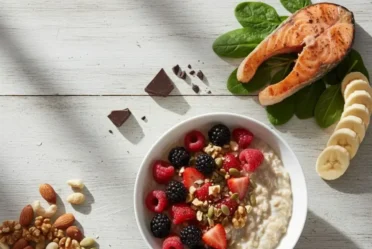
Oats are one of the best natural energy foods because they provide complex carbohydrates that release energy slowly. This gradual release helps prevent sudden drops in blood sugar, which are often responsible for mid-morning or afternoon fatigue.
Rich in fiber, especially beta-glucan, oats help you feel full longer and support stable energy levels. They also contain B vitamins, which play a key role in converting food into usable energy.
Including oats at breakfast can help you stay focused and energized for hours, making them one of the most effective foods for steady energy throughout the day.
Eggs
Eggs are a powerful source of high-quality protein, which is essential for sustained energy. Protein helps slow digestion and keeps blood sugar levels balanced, preventing energy crashes.
They also contain important nutrients like choline and B vitamins, which support brain function and energy metabolism. Because eggs are so versatile, they can be included in breakfast, lunch, or even light dinners.
As part of a balanced meal, eggs are among the best foods for natural energy without relying on stimulants.
Bananas
Bananas are a convenient and fast-acting energy food, but unlike refined sugar, they also provide fiber and key minerals. They are rich in potassium, which supports muscle function and helps prevent fatigue.
The natural carbohydrates in bananas provide quick energy, while their fiber content slows absorption, making them a smart option before physical activity or during long days.
This balance makes bananas one of the most practical foods that increase energy naturally.
Leafy Greens
Leafy greens like spinach, kale, and Swiss chard are packed with nutrients that support energy production. They are rich in iron, magnesium, and antioxidants, all of which help oxygen reach your cells efficiently.
Low iron levels are commonly linked to fatigue, especially in women. Including leafy greens regularly can help support healthy energy levels over time.
Because they are low in calories but high in nutrients, leafy greens are ideal natural foods for steady energy throughout the day.
Nuts and Seeds
Nuts and seeds provide a combination of healthy fats, protein, and fiber — a powerful trio for sustained energy. Almonds, walnuts, chia seeds, and pumpkin seeds are especially beneficial.
They also contain magnesium, which plays a role in energy production at the cellular level. A small handful can help curb hunger and prevent energy dips between meals.
As a snack or meal addition, nuts and seeds are excellent foods that help fight fatigue naturally.
Greek Yogurt
Greek yogurt offers protein, probiotics, and essential nutrients that support digestion and energy. A healthy gut improves nutrient absorption, which directly affects how energized you feel.
Protein in Greek yogurt helps keep energy levels stable, while probiotics support overall metabolic health. Choosing plain, unsweetened varieties avoids added sugars that can cause crashes.
This makes Greek yogurt one of the most reliable healthy foods for energy during busy days.

Quinoa
Quinoa is a complete protein, meaning it contains all essential amino acids. This makes it particularly effective for sustained energy, especially for those following plant-based diets.
It also provides complex carbohydrates, iron, and magnesium all important for maintaining steady energy levels. Unlike refined grains, quinoa digests slowly and supports long-lasting fuel.
As a base for meals, quinoa is among the best foods for natural energy.
Fatty Fish
Fatty fish such as salmon, sardines, and mackerel are rich in omega-3 fatty acids. These fats support brain function, reduce inflammation, and improve overall energy efficiency.
They also contain vitamin D and B vitamins, which help reduce fatigue and support energy metabolism. Including fatty fish a few times per week can make a noticeable difference in how you feel.
For long-term vitality, fatty fish are excellent natural foods that boost energy.
Sweet Potatoes
Sweet potatoes are a nutrient-dense source of complex carbohydrates. They provide steady energy without the sharp spikes associated with refined carbs.
They are also rich in vitamin C, potassium, and fiber, which support muscle function and reduce fatigue. Their slow-digesting nature makes them ideal for long-lasting energy.
Sweet potatoes are a smart choice for anyone looking to boost energy naturally with food.
Dark Chocolate (in Moderation)
Dark chocolate, when consumed in moderation, can support energy and focus. It contains natural compounds that improve blood flow and provide a mild, natural stimulant effect.
Unlike sugary snacks, dark chocolate with a high cocoa content offers antioxidants and minerals like magnesium. Small portions can help improve mood and mental clarity.
When chosen wisely, dark chocolate can be one of the more enjoyable foods for energy.
Conclusion
Choosing the right foods can have a powerful impact on how you feel throughout the day. Natural foods that boost energy work by supporting stable blood sugar, improving nutrient absorption, and fueling your body at a cellular level. Instead of relying on quick fixes, these foods provide sustainable, long-lasting benefits.
By incorporating a variety of healthy foods for energy including whole grains, proteins, healthy fats, and nutrient-rich vegetables you create a balanced approach that supports both physical and mental vitality. Consistency matters more than perfection, and small changes can lead to noticeable improvements over time.
When food becomes your foundation for energy, it supports not only productivity but also overall well-being. Focusing on foods that boost energy throughout the day is a simple yet effective way to feel more energized, focused, and resilient in daily life.
References
- Harvard Health Publishing – Foods and Energy
https://www.health.harvard.edu - Mayo Clinic – Nutrition and Fatigue
https://www.mayoclinic.org - Cleveland Clinic – Diet and Energy Levels
https://health.clevelandclinic.org
FAQs
What are the best natural foods that boost energy?
Foods like oats, eggs, leafy greens, nuts, and fatty fish provide sustained energy by supporting blood sugar balance and nutrient absorption.
Can food really help fight fatigue naturally?
Yes. Proper nutrition plays a key role in energy production, helping reduce fatigue without relying on stimulants.
How long does it take to feel more energy from diet changes?
Some people notice improvements within days, while consistent benefits usually appear within 2–3 weeks.
Are these foods better than energy drinks?
Natural foods offer long-term energy support without crashes, making them a healthier option than energy drinks.
Can these foods help with afternoon energy crashes?
Yes. Balanced meals with protein, fiber, and healthy fats help maintain steady energy throughout the day.
Read More
- 7 Morning Habits That Boost Energy Naturally
- Natural Ways to Improve Energy Without Stimulants
- How Stress Impacts Weight Gain and How to Fix It
Post Update Schedule
- Published: November 28, 2025
- Last Updated: January 21, 2026
- Content Review: Every 60-90 days
This article is reviewed periodically to ensure accuracy, clarity, and relevance. Updates may include content expansion, formatting improvements, and new references based on current information.
This content is for educational purposes only and does not replace professional medical advice. Always consult a healthcare professional before starting any lifestyle changes, supplements, or dietary routines.