Introduction
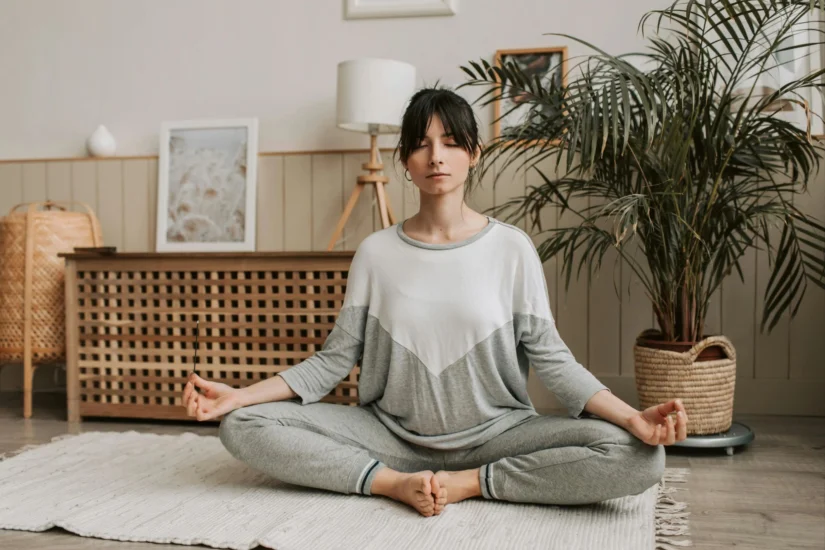
Modern life moves fast. Between work responsibilities, constant notifications, family obligations, and endless information, it can feel difficult to slow down. Many people describe feeling overwhelmed, tense, or mentally exhausted even when nothing particularly “wrong” is happening. This sense of constant pressure has become common in a busy world.
Feeling stressed from time to time is a natural response to daily demands. However, when stress becomes persistent, it may affect emotional balance, focus, sleep quality, and overall well-being. The good news is that calming the mind does not always require drastic changes or complicated routines.
Natural ways to feel calmer often involve small, gentle adjustments that support the nervous system and help the body return to a state of balance. This article explores simple, realistic approaches that fit into everyday life and encourage calm without adding more pressure.
Why Feeling Calm Matters for Overall Well-Being

Calmness is not just about feeling relaxed in the moment. It plays an important role in how the body and mind function together.
When the body feels constantly rushed or tense, it stays in a state of alertness. Over time, this can affect concentration, sleep, digestion, and energy levels. A calmer state allows the nervous system to shift from “survival mode” into a more balanced rhythm.
Benefits of cultivating calm may include:
- Improved mental clarity
- Better emotional regulation
- More restorative sleep
- Increased sense of control during busy days
Calm does not mean eliminating stress completely. It means developing tools to respond to daily challenges with greater ease.
Natural Practices That Support a Calmer Mind and Body
There are many natural ways to invite calm into a busy schedule. These approaches focus on consistency rather than perfection.
Breathing With Awareness
Breathing is one of the most direct ways to influence how the body feels. Shallow, rapid breathing often accompanies stress, while slow, deep breathing signals safety to the nervous system.
Simple breathing practices may include:
- Taking slow breaths through the nose
- Exhaling slightly longer than inhaling
- Pausing for a few calm breaths during the day
Even one or two minutes of intentional breathing can help reset mental tension.
Creating Small Pauses in the Day
In a busy world, many people move from task to task without pause. Small breaks allow the mind to reset and prevent overstimulation.
Examples of gentle pauses:
- Stepping outside for fresh air
- Stretching between tasks
- Sitting quietly without a screen
These moments do not need to be long to be effective.
Spending Time in Natural Environments
Nature has a calming effect on the nervous system. Time outdoors, even briefly, may help reduce mental overload.
Natural settings that support calm include:
- Parks or green spaces
- Walking near trees or water
- Sitting by a window with natural light
Nature encourages slower rhythms and supports emotional balance.
Reducing Sensory Overload
Constant noise, bright screens, and multitasking can overwhelm the senses. Creating a calmer environment helps the body feel safe and grounded.
Simple ways to reduce sensory overload:
- Lowering background noise
- Dimming lights in the evening
- Limiting screen use before bed
A calmer environment supports a calmer mind.
Some people choose to explore educational wellness programs and natural supplement approaches designed to support calm, balance, and emotional well-being.
You can learn more about one natural option on the official website here.
Daily Habits That Help You Feel More Calm Over Time
Feeling calmer is often the result of daily habits working together. These habits do not require major lifestyle changes.
Gentle Movement
Movement helps release physical tension stored in the body. Gentle activities can be especially calming.
Options include:
- Walking
- Stretching
- Yoga or slow mobility exercises
Movement does not need to be intense to be beneficial.
Supporting Sleep Routines
Sleep and calmness are closely connected. Poor sleep can increase stress sensitivity, while calm routines support better rest.
Helpful sleep habits:
- Keeping consistent sleep times
- Creating a relaxing bedtime routine
- Reducing stimulation before sleep
Better sleep often leads to a calmer emotional state during the day.
Mindful Nutrition
What and how we eat can influence how we feel. Irregular meals or excessive stimulants may contribute to restlessness.
Mindful nutrition focuses on:
- Regular, balanced meals
- Staying hydrated
- Eating without distractions when possible
These practices support steady energy and emotional balance.
Letting Go of Perfection
Trying to do everything perfectly can increase pressure. Allowing flexibility and self-compassion helps reduce mental strain.
Progress, not perfection, supports long-term calm.
Educational Wellness Approaches for Calm and Balance
Some people explore wellness education or natural supplement approaches designed to support relaxation and balance. When presented responsibly, these options focus on supporting the body rather than forcing quick results.
Educational wellness approaches may emphasize:
- Stress awareness
- Nervous system balance
- Sustainable daily habits
These tools are most effective when combined with healthy routines and realistic expectations.
Conclusion
In a busy world, feeling calm is not about escaping responsibilities. It is about learning how to move through daily life with greater ease and balance. Natural ways to feel calmer often begin with small, intentional choices that support the nervous system.
Breathing, gentle movement, time in nature, restful sleep, and mindful habits all work together to create a sense of calm over time. These practices are flexible, accessible, and adaptable to different lifestyles.
Calm is not a destination it is a practice. By making space for simple, natural habits, it becomes easier to feel grounded even when life feels busy.
References
- Harvard Health Publishing – Relaxation Techniques
https://www.health.harvard.edu/mind-and-mood - Mayo Clinic – Stress Management
https://www.mayoclinic.org/healthy-lifestyle/stress-management - American Psychological Association – Managing Stress
https://www.apa.org/topics/stress
FAQs
1. Is it normal to feel stressed in a busy world?
Yes. Feeling stressed is a natural response to constant demands and stimulation.
2. Can small habits really help me feel calmer?
Yes. Consistent small habits often have a greater long-term impact than drastic changes.
3. How quickly can calmness improve?
Some people notice subtle improvements quickly, while deeper balance develops over time.
4. Does reducing screen time help with calmness?
For many people, less screen exposure supports better focus and relaxation.
5. Is calmness connected to better sleep?
Yes. Calm routines often support more restorative sleep.
Read More
Explore more helpful guides:
- Small Daily Changes That Support Better Focus and Balance
- Feeling Low on Energy? Gentle Habits That May Help
- How Stress Impacts Weight Gain and Metabolism
This content is for educational purposes only and does not replace professional medical advice. Always consult a healthcare professional before starting any lifestyle changes, supplements, or dietary routines.
Some links in this article may be affiliate links. If you decide to make a purchase, I may receive a small commission at no additional cost to you. This helps us continue producing free content.