

Many men experience subtle prostate symptoms as they age, but they often ignore them or assume they are a normal part of getting older. In reality, early changes in urinary habits may signal underlying prostate problems that deserve attention.
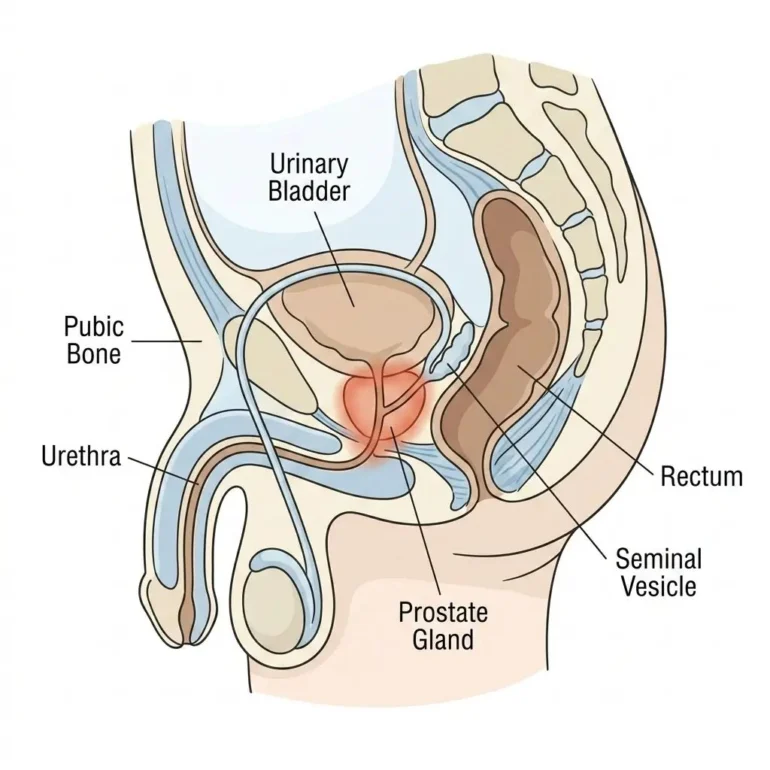
The prostate is a small gland located below the bladder. It plays an important role in male reproductive health, but it can also cause urinary issues when it becomes enlarged or inflamed. Conditions such as benign prostatic hyperplasia (BPH) may develop slowly, causing symptoms like frequent urination, weak urine stream, and night urination.
Because these changes happen gradually, many men adapt to them without realizing their quality of life is declining. Interrupted sleep, constant bathroom trips, and difficulty emptying the bladder can eventually affect energy levels, daily productivity, and overall health.
Recognizing the early BPH signs allows men to take action sooner. Lifestyle changes, medical guidance, and proper support for prostate health can help prevent symptoms from worsening over time.
In this guide, we will explore the most common warning signs of prostate issues, explain why symptoms tend to progress, and discuss practical ways to support prostate health before the condition becomes more serious.
Early Prostate Symptoms Most Men Ignore
Many early prostate symptoms appear mild at first, which is why they are frequently overlooked. Men may assume they simply drank too much water before bed or that occasional urinary changes are not worth worrying about.
However, these early changes often signal that the prostate gland has started to enlarge or become inflamed. When the prostate grows, it can press against the urethra the tube that carries urine from the bladder out of the body. This pressure can disrupt normal urine flow and create several noticeable urinary symptoms.
The most common BPH signs include needing to urinate more frequently, waking up multiple times during the night to use the bathroom, or experiencing a slower and weaker urine stream. Some men also notice difficulty starting urination or the feeling that the bladder is never completely empty.
Although these symptoms may seem minor in the beginning, they often become more persistent over time. Ignoring these signals can allow prostate problems to progress, potentially leading to bladder strain and more severe urinary complications.
Understanding these early warning signs helps men recognize when their body is signaling a change in prostate health.
Frequent Urination at Night
One of the most common early prostate symptoms is night urination, also known as nocturia. Men who experience this condition wake up several times during the night to urinate.
While occasional nighttime urination can happen after drinking fluids late in the evening, frequent interruptions during sleep may signal prostate enlargement. When the prostate presses on the bladder and urethra, it reduces the bladder’s ability to empty fully. As a result, the bladder fills more quickly and creates the urge to urinate more often.
Over time, repeated sleep interruptions can cause fatigue, difficulty concentrating, and reduced productivity during the day. Poor sleep quality can also affect overall health, mood, and immune function.
Men who regularly wake up more than once or twice at night to urinate should pay attention to this change. Persistent night urination may indicate developing prostate problems, especially when it occurs alongside other urinary symptoms.
Weak or Interrupted Stream
Another common warning sign of prostate enlargement is a weak urine stream. Men may notice that urine flows more slowly or lacks the pressure it once had.
As the prostate enlarges, it narrows the urethra. This restriction reduces the strength and consistency of the urine flow. Instead of a steady stream, urination may become weak, uneven, or interrupted.
Some men also experience a stop-and-start pattern while urinating. This occurs because the bladder must work harder to push urine through the narrowed urethra. Over time, this strain can lead to bladder fatigue and incomplete emptying.
A weak urine stream is one of the most recognizable BPH signs and often appears alongside other prostate symptoms such as frequent urination and difficulty starting urination.
Although many men ignore this symptom, it can be an important early indicator that prostate health is changing.
Difficulty Starting Urination
Difficulty starting urination is another sign that the prostate may be affecting urinary flow. Men experiencing this symptom may feel the urge to urinate but struggle to begin the process.
This hesitation occurs because the enlarged prostate interferes with the normal opening of the urethra. The bladder must apply additional pressure to initiate urine flow, which can delay the start of urination.
In some cases, men may need to wait several seconds before urine begins to flow. Others may feel the urge to urinate but release only a small amount.
Over time, this symptom can become frustrating and uncomfortable. It may also contribute to the sensation that the bladder never empties completely.
When difficulty starting urination appears alongside frequent urination, night urination, or a weak urine stream, it may signal developing prostate problems that should not be ignored.
Why Prostate Symptoms Worsen Over Time
Many prostate symptoms begin gradually but tend to worsen as men age. The progression usually happens because of hormonal changes, inflammation, and ongoing prostate growth.
The most common condition behind these changes is benign prostatic hyperplasia (BPH). This condition causes the prostate gland to enlarge slowly over time. As the prostate grows, it puts increasing pressure on the urethra and bladder.
This pressure disrupts normal urine flow and forces the bladder to work harder. Eventually, the bladder muscles may weaken from constant strain, which can worsen urinary symptoms even further.
Hormones also play an important role in prostate growth. Certain hormones encourage prostate tissue to multiply, gradually increasing the size of the gland.
Without proper management, these biological changes can lead to worsening prostate problems, including more frequent bathroom visits, interrupted sleep, and reduced bladder control.
Understanding why symptoms progress helps men recognize the importance of early action.
The Impact of DHT on Prostate Growth
Dihydrotestosterone (DHT) is a hormone that plays a significant role in prostate enlargement. It forms when the body converts testosterone into a more potent androgen.
DHT binds to receptors within prostate cells and stimulates cell growth. Over time, this process can cause the prostate to enlarge gradually.
As prostate tissue expands, it narrows the urethra and disrupts normal urine flow. This leads to many common BPH signs, including weak urine stream, frequent urination, and difficulty emptying the bladder.
Research suggests that elevated DHT levels may contribute significantly to age-related prostate growth. This is why some prostate-support strategies focus on reducing DHT activity within the body.
Managing hormonal balance can play an important role in supporting long-term prostate health.
Chronic Inflammation and Tissue Swelling
Inflammation is another factor that can worsen prostate symptoms over time. When prostate tissue becomes inflamed, it can swell and place additional pressure on the urethra.
Several factors may contribute to chronic inflammation, including poor diet, metabolic imbalance, stress, and aging-related immune changes.
Inflamed prostate tissue can intensify urinary symptoms by increasing pressure on surrounding structures. As a result, men may experience more severe night urination, slower urine flow, and greater difficulty starting urination.
Reducing inflammation through healthy lifestyle habits may help support prostate function and reduce discomfort.
Diet, physical activity, and proper nutrient intake all play important roles in maintaining prostate health and minimizing inflammation-related prostate problems.
When Prostate Symptoms Require Medical Attention
While mild urinary changes may appear manageable at first, certain prostate symptoms should never be ignored. Persistent urinary problems can affect bladder function and overall health if left untreated.
Men should pay close attention when symptoms become more frequent, severe, or disruptive to daily life. Waking up multiple times every night to urinate, experiencing a very weak urine stream, or feeling unable to fully empty the bladder may signal that the prostate has enlarged significantly.
Seeking medical evaluation allows doctors to rule out serious conditions and identify the underlying cause of the symptoms. In many cases, early intervention can help prevent complications such as bladder damage or urinary retention.
Regular health checkups become especially important after the age of 40, when BPH signs and other prostate problems become more common.
Understanding when to seek medical advice empowers men to protect their long-term health.
Red Flags That Should Not Be Ignored
Certain symptoms require immediate medical attention. These warning signs may indicate more serious prostate or urinary tract issues.
Some red flags include:
- Blood in urine
- Pain during urination
- Inability to urinate
- Severe pelvic discomfort
- Sudden worsening of urinary symptoms
Although these symptoms do not always indicate severe disease, they should never be ignored. A medical professional can determine whether the symptoms are related to prostate enlargement, infection, or another condition.
Early diagnosis often leads to more effective treatment and improved outcomes.
How Early Action Improves Long-Term Outcomes
Taking action when prostate symptoms first appear can significantly improve long-term health outcomes.
Early lifestyle adjustments, dietary changes, and medical guidance may slow the progression of prostate enlargement and reduce urinary discomfort.
Men who address symptoms early often experience fewer complications and maintain better bladder function over time.
Regular monitoring also allows healthcare professionals to track prostate changes and recommend appropriate treatment if necessary.
By paying attention to early BPH signs, men can protect both their prostate health and their overall quality of life.
Natural Ways to Support Prostate Health Early
Supporting prostate health early can help reduce discomfort and promote long-term urinary function. While medical care remains important, many natural strategies may contribute to prostate wellness.
Healthy lifestyle habits play a central role. Regular physical activity helps maintain hormone balance and reduces inflammation. A balanced diet rich in vegetables, fruits, healthy fats, and antioxidants may also support prostate function.
Certain nutrients have been associated with prostate health, including zinc, selenium, and plant compounds found in tomatoes, berries, and green vegetables.
Maintaining a healthy weight may also reduce the risk of developing severe prostate problems. Excess body fat can contribute to hormonal imbalances and inflammation, which may worsen urinary symptoms.
In addition to lifestyle strategies, some men explore natural prostate-support formulas designed to promote urinary flow and reduce inflammation.
If you want to understand how specific natural ingredients may support prostate health, you can explore our detailed guide here:
Read the full analysis:
ProstaVive Review: Is It the Ultimate Solution for Prostate Health and Vitality?
This article explains how targeted nutrients may support prostate function and help reduce common urinary discomfort.
Conclusion
Recognizing early prostate symptoms can make a significant difference in long-term health. Many men ignore warning signs such as frequent urination, night urination, or a weak urine stream, assuming these issues are simply part of aging.
However, these changes often indicate developing prostate problems such as benign prostatic hyperplasia. When the prostate enlarges, it can gradually interfere with normal urinary function and affect overall quality of life.
The good news is that early awareness allows men to take proactive steps. Healthy lifestyle habits, medical guidance, and proper nutritional support may help maintain prostate health and reduce discomfort.
If you want to learn more about natural strategies and ingredients that may support prostate function, make sure to read our complete guide:
ProstaVive Review: Is It the Ultimate Solution for Prostate Health and Vitality?
Understanding the causes of prostate symptoms and taking action early can help men protect their health, sleep better, and maintain a higher quality of life as they age.
References
- National Institute on Aging
https://www.nia.nih.gov/health/prostate-problems - Mayo Clinic – Benign Prostatic Hyperplasia
https://www.mayoclinic.org/diseases-conditions/benign-prostatic-hyperplasia - National Institute of Diabetes and Digestive and Kidney Diseases
https://www.niddk.nih.gov/health-information/urologic-diseases - Harvard Health Publishing – Prostate Health
https://www.health.harvard.edu/mens-health
FAQs
1. What are the most common prostate symptoms?
The most common prostate symptoms include frequent urination, night urination, difficulty starting urination, and a weak urine stream. These symptoms often appear when the prostate begins to enlarge.
2. At what age do prostate problems usually start?
Many men begin experiencing BPH signs after age 40, but symptoms become more common after age 50.
3. Is frequent urination always related to prostate problems?
Not always. Frequent urination can also be linked to bladder issues, infections, diabetes, or excessive fluid intake. However, it is a common sign of prostate enlargement.
4. Can lifestyle changes improve prostate symptoms?
Yes. Healthy diet, regular exercise, and maintaining a healthy weight may help reduce inflammation and support prostate health.
5. When should I see a doctor for prostate symptoms?
You should consult a doctor if symptoms become persistent, worsen over time, or interfere with sleep and daily activities.
Read More
If you want to continue learning about prostate health, explore these related guides:
- ProstaVive Review: Is It the Ultimate Solution for Prostate Health and Vitality?
- ProstaVive Ingredients: How It Works – A Complete Guide
- EnduNAD Review: Natural Approach to Longevity and Cellular Energy