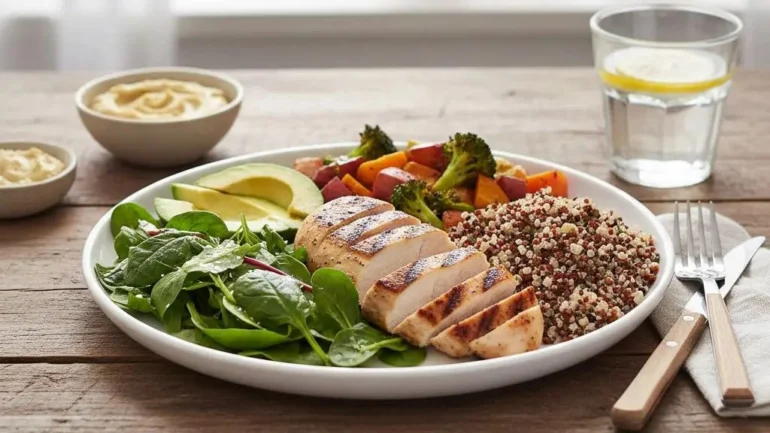
When people begin improving their eating habits, one of the first questions they ask is which protein foods weight loss strategies actually work in real life. Protein is one of the most important nutrients for supporting fat loss because it helps control hunger, preserve muscle mass, and keep metabolism active during calorie reduction. Unlike restrictive diets that focus only on eating less, a high protein diet supports the body while weight loss happens gradually and safely.
Adding more lean protein to daily meals does not mean following a complicated plan or eliminating favorite foods. Instead, it means choosing ingredients that naturally help the body feel satisfied longer while supporting steady energy levels. Protein digestion requires more energy than carbohydrates or fats, which strengthens the connection between metabolism protein intake and fat-burning efficiency.
Understanding how protein works alongside fiber, healthy fats, and balanced carbohydrates is essential for sustainable results. That is why protein is always included in the safe weight loss foods guide, forming the foundation of meals that support both health and long-term weight control.
Why Protein Helps With Safe Weight Loss
Protein plays a unique role in the body compared to other macronutrients. It supports muscle repair, hormone production, immune function, and metabolic activity. When weight loss begins, maintaining muscle mass becomes essential because muscle tissue helps the body burn more calories even at rest.
A high protein diet supports fat loss without forcing the body into extreme restriction. Instead of slowing metabolism, protein intake helps maintain energy balance. This is one reason nutrition professionals often emphasize protein foods weight loss plans rather than low-calorie diets alone.
Another important factor is thermogenesis. Protein requires more energy to digest than carbohydrates or fats. This means the body burns slightly more calories during digestion, strengthening the connection between metabolism protein intake and weight management.
Protein also stabilizes blood sugar levels, reducing sudden hunger spikes that often lead to overeating. Balanced meals containing lean protein help maintain consistent energy throughout the day.
Over time, this creates a sustainable pattern. Instead of relying on willpower alone, the body naturally regulates appetite and energy use.
Protein and Satiety Control
One of the most powerful benefits of protein is its effect on satiety. Foods rich in protein signal fullness hormones that tell the brain when enough food has been consumed. This reduces unnecessary snacking and helps maintain a calorie balance without feeling deprived.
Meals built around protein foods weight loss principles tend to keep people satisfied longer than meals high in refined carbohydrates. For example, eggs with vegetables in the morning often provide longer-lasting energy than sugary cereals.
The connection between lean protein intake and appetite control is supported by research showing that protein reduces levels of ghrelin, the hormone responsible for hunger. At the same time, it increases hormones that promote fullness.
This balance makes it easier to maintain healthy eating habits. Instead of constantly thinking about food, the body feels stable and nourished.
Because of this, protein becomes a practical tool for safe weight loss rather than a restrictive rule.
Best Protein-Rich Foods for Daily Meals
Choosing the right protein sources matters just as much as eating enough protein. Whole, minimally processed foods provide additional nutrients that support digestion, metabolism, and long-term health.
The best protein foods weight loss options are those that combine protein with vitamins, minerals, and healthy fats. These foods help the body function efficiently while supporting gradual fat loss.
A high protein diet can include both animal and plant sources, allowing flexibility based on personal preferences and dietary needs. Including a variety of foods ensures better nutrient balance and prevents meal fatigue.
Protein-rich meals do not need to be complicated. Simple combinations like chicken with vegetables, lentil soup, or yogurt with nuts can provide excellent nutritional support.
Consistency matters more than perfection. Including lean protein in each meal helps maintain steady progress over time.
Animal Protein Options
Animal-based proteins are complete proteins, meaning they contain all essential amino acids the body needs.
Examples include:
- Eggs
- Chicken breast
- Turkey
- Fish
- Greek yogurt
- Cottage cheese
- Lean beef
These foods are rich in metabolism protein nutrients that support muscle preservation during weight loss.
Fish like salmon and sardines also provide omega-3 fatty acids, which support heart health and reduce inflammation. Eggs are especially versatile and affordable, making them one of the easiest protein foods weight loss options to include regularly.
Choosing grilled, baked, or roasted preparations instead of fried foods helps maintain calorie balance while keeping meals satisfying.
Plant-Based Protein Sources
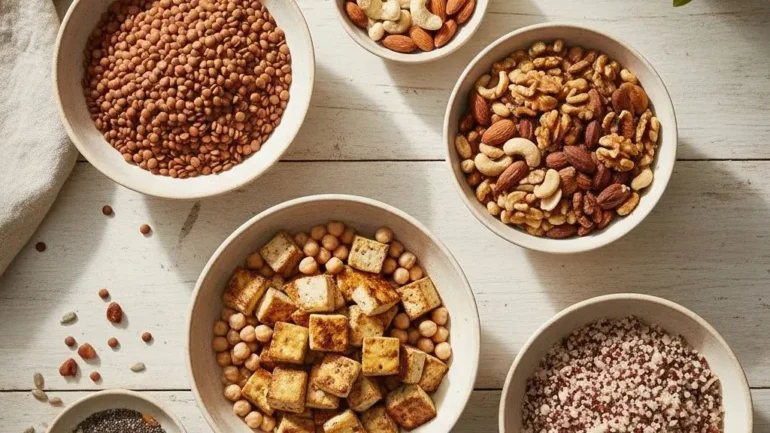
Plant proteins provide fiber and antioxidants in addition to protein, making them valuable for safe weight loss.
Examples include:
- Lentils
- Chickpeas
- Black beans
- Tofu
- Tempeh
- Quinoa
- Nuts and seeds
These foods support digestion while contributing to lean protein intake. Fiber slows digestion, which helps maintain fullness longer.
Combining plant proteins with whole grains can create complete amino acid profiles. For example, beans with brown rice form a balanced meal that supports both energy and satiety.
Plant proteins also help diversify a high protein diet, making it easier to maintain over time without feeling restricted.
How Much Protein You Really Need
Protein needs vary depending on body size, activity level, and health goals. For most adults focused on safe weight loss, a moderate increase in protein intake is enough to support results.
Nutrition experts often recommend approximately 20–30 grams of protein per meal. This amount helps regulate appetite while supporting muscle maintenance.
Spreading protein foods weight loss intake throughout the day is more effective than consuming most protein in one meal. Balanced distribution supports metabolism and energy levels consistently.
For physically active individuals, metabolism protein requirements may be slightly higher. Exercise increases the body’s need for amino acids to repair muscle tissue.
The key is balance. A high protein diet does not mean eliminating carbohydrates or fats. Instead, meals should include protein, fiber, and healthy fats working together.
Small adjustments, like adding eggs at breakfast or beans to lunch, can significantly improve daily protein intake without complicated planning.
Conclusion
Protein is one of the most reliable nutritional tools for achieving safe and sustainable fat loss. By supporting satiety, preserving muscle mass, and helping regulate metabolism, protein allows the body to lose weight without extreme restriction. This is why protein foods weight loss strategies are often recommended by nutrition professionals as part of balanced eating habits.
Including lean protein in daily meals helps stabilize energy levels and reduce unnecessary hunger. Over time, this creates consistency, which is more important than short-term dieting. Whether protein comes from eggs, fish, beans, or yogurt, the goal is to build meals that nourish the body while supporting gradual progress.
A high protein diet becomes most effective when combined with fiber-rich vegetables, healthy fats, and whole carbohydrates. Together, these nutrients support digestion, hormones, and metabolic efficiency. The relationship between metabolism protein intake and fat-burning potential shows that weight loss is not only about eating less, but about eating wisely.
Protein is one part of a bigger picture that includes the safe weight loss foods guide, helping create a sustainable approach to long-term health and weight control.
References
- Harvard T.H. Chan School of Public Health
https://www.hsph.harvard.edu/nutritionsource/protein/ - Cleveland Clinic — Benefits of Protein
https://health.clevelandclinic.org/why-you-need-protein - Mayo Clinic — Protein and Weight Loss
https://www.mayoclinic.org/healthy-lifestyle/weight-loss
FAQs
1. Are protein foods necessary for weight loss?
Yes. Protein helps control hunger, maintain muscle mass, and support metabolism during fat loss.
2. Can a high protein diet be safe long term?
For most healthy individuals, balanced protein intake from whole foods is safe and beneficial.
3. What is the best lean protein source?
Chicken breast, eggs, fish, Greek yogurt, and lentils are excellent options.
4. How does metabolism protein intake help fat loss?
Protein digestion requires more energy, which slightly increases calorie burning.
5. Can plant protein support weight loss?
Yes. Beans, lentils, tofu, and quinoa provide protein and fiber that support satiety.
Read More
- 10 daily habits that naturally boost your metabolism.
- The Best Foods to Speed Up Weight Loss Safely
- How to Build Daily Meals Using Foods for Safe Weight Loss
This content is for educational purposes only and does not replace professional medical advice. Always consult a healthcare professional before starting any lifestyle changes, supplements, or dietary routines.