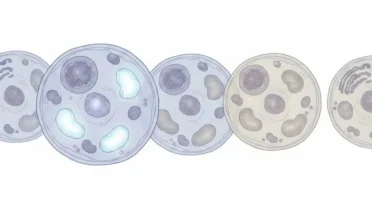
Feeling tired more often as you get older is a common experience. However, persistent fatigue is not always just about age or a busy lifestyle. In many cases, it may be linked to cellular energy decline.
Every cell in your body needs energy to function properly. This energy supports movement, thinking, digestion, repair, and recovery. When cellular energy declines, the effects can appear slowly and subtly. Over time, these changes may impact how you feel each day.
Understanding the signs of cellular energy decline can help you recognize what your body may be signaling. More importantly, it allows you to take informed steps toward supporting long-term vitality and healthy aging.
What Is Cellular Energy and Why Does It Matter?
Cellular energy refers to the energy produced inside your cells that allows them to perform essential functions. This energy is mainly generated in structures called mitochondria, often described as the power centers of the cell.
As long as cells produce enough energy, the body can adapt, repair, and respond efficiently. However, when cellular energy production slows down, the entire system may feel the effects.
Why cellular energy is essential:
- Supports physical movement and strength
- Helps maintain brain function and focus
- Aids metabolism and nutrient use
- Supports immune response
- Assists cellular repair and regeneration
As people age, cellular energy production often becomes less efficient. This process is gradual, which is why signs of cellular energy decline may be easy to overlook at first.
Why Cellular Energy Declines With Age
Cellular energy decline does not happen overnight. Instead, it is influenced by a combination of internal and external factors that accumulate over time.
Common contributors include:
- Natural aging processes
- Increased oxidative stress
- Chronic inflammation
- Reduced mitochondrial efficiency
- Lower levels of key cellular molecules like NAD
- Long-term stress and poor sleep
As these factors build up, cells may produce energy less efficiently. As a result, tissues and organs may not function at their optimal level.
Signs of Cellular Energy Decline You Should Not Ignore
Persistent Fatigue That Doesn’t Improve With Rest
One of the most noticeable signs of cellular energy decline is ongoing fatigue. Unlike normal tiredness, this type of fatigue may persist even after a full night’s sleep.
This happens because cells may struggle to produce enough energy to meet daily demands. Over time, this can leave you feeling drained more often than not.
Slower Recovery After Physical Activity
As cellular energy declines, muscles may take longer to recover after exercise or physical work.
You may notice:
- Prolonged soreness
- Reduced stamina
- Feeling exhausted after light activity
This does not necessarily mean you are overexerting yourself. Instead, it may reflect reduced energy production at the cellular level.
→ Related reading: EnduNAD Review: Supporting Longevity and Cellular Energy
Brain Fog and Reduced Mental Clarity
The brain requires a significant amount of cellular energy to function properly. When energy production declines, mental performance may suffer.
Common signs include:
- Difficulty concentrating
- Forgetfulness
- Slower thinking
- Reduced motivation
Because these symptoms can appear gradually, they are often mistaken for stress or aging alone.
Changes in Metabolism and Weight Regulation
Cellular energy plays a key role in how the body processes nutrients. When cellular energy decline occurs, metabolism may slow down.
As a result, some people experience:
- Unexplained weight gain
- Difficulty maintaining a healthy weight
- Reduced metabolic flexibility
These changes may occur even when diet and activity levels remain the same.
Increased Sensitivity to Stress
Cells under energy strain are less resilient. Therefore, emotional or physical stress may feel more intense than before.
You might notice:
- Feeling overwhelmed more easily
- Slower emotional recovery
- Difficulty relaxing
This is because stress response systems also rely on adequate cellular energy.
The Role of Mitochondria in Cellular Energy Decline
Mitochondria are responsible for converting nutrients into usable energy. Over time, mitochondrial efficiency can decrease.
This decline may be influenced by:
- Oxidative damage
- Reduced mitochondrial renewal
- Lower availability of energy-supporting molecules
When mitochondria do not function optimally, energy production drops. As a result, signs of cellular energy decline become more noticeable.
How NAD Is Linked to Cellular Energy Decline
NAD (nicotinamide adenine dinucleotide) is a molecule that plays a central role in cellular energy production. It helps mitochondria convert nutrients into energy.
As people age, NAD levels naturally decline. This reduction is closely linked to cellular energy decline and reduced metabolic efficiency.
When NAD levels are lower, cells may struggle to maintain energy balance. Consequently, fatigue, slower recovery, and reduced resilience may appear.
As cellular energy naturally changes with age, some people choose to learn more about supplements designed to support NAD levels.
EnduNAD is one option focused on cellular energy and longevity support.
Lifestyle Factors That Accelerate Cellular Energy Decline
While aging is unavoidable, certain habits may speed up cellular energy decline.
Factors that may contribute include:
- Chronic sleep deprivation
- Poor nutrition
- High sugar intake
- Sedentary lifestyle
- Long-term stress
Fortunately, awareness of these factors allows individuals to make adjustments that support cellular health.

How to Support Cellular Energy as You Age
Although cellular energy decline is a natural process, there are ways to support your cells and promote healthier aging.
Prioritize Consistent Sleep
Quality sleep allows cells to repair and regenerate. Over time, better sleep habits may help maintain energy balance.
Stay Physically Active
Regular, moderate movement supports mitochondrial health. Walking, stretching, and light resistance training are often beneficial.
Manage Stress Thoughtfully
Stress management techniques such as deep breathing, mindfulness, and time outdoors may reduce cellular strain.
Support Cellular Nutrition
Certain nutrients help support energy pathways. Balanced meals that include whole foods provide building blocks for cellular function.
Why Early Awareness Matters
Recognizing the signs of cellular energy decline early allows for proactive lifestyle adjustments. Rather than reacting to advanced fatigue or burnout, individuals can support their energy systems gradually and sustainably.
Healthy aging is not about avoiding age. Instead, it is about supporting the body as it changes.
Conclusion
Cellular energy decline is a natural part of aging, but its effects vary from person to person. Persistent fatigue, brain fog, slower recovery, and metabolic changes may all signal reduced energy at the cellular level.
By understanding these signs, you can make informed decisions that support long-term vitality. Simple lifestyle habits, when practiced consistently, may help preserve cellular energy and improve overall well-being as you age.
Supporting long-term vitality often involves lifestyle habits and informed choices.
For those interested in NAD-focused supplements as part of a balanced routine, EnduNAD offers additional information about its formulation and purpose.
References
- National Institute on Aging – Biology of Aging
https://www.nia.nih.gov - National Institutes of Health – Mitochondrial Function
https://www.nih.gov - Harvard Medical School – Cellular Energy and Metabolism
https://hms.harvard.edu
FAQs
1. What is cellular energy decline?
Cellular energy decline refers to reduced efficiency in energy production within cells, often associated with aging.
2. Is cellular energy decline normal with age?
Yes. It is a natural process, but lifestyle factors can influence how quickly it occurs.
3. Can fatigue be related to cellular energy decline?
Yes. Reduced cellular energy may contribute to persistent fatigue and low stamina.
4. Does metabolism slow due to cellular energy decline?
Lower cellular energy may affect metabolic efficiency, especially over time.
5. Can lifestyle changes support cellular energy?
Healthy sleep, movement, stress management, and nutrition may help support cellular energy.
Read More
- What Is NAD? Why It’s Important for Longevity
- How to Support Your Nervous System Naturally
- Best Natural Ways to Support Metabolism After 40
- Longevity Explained: How Cells Influence Healthy Aging
This content is for educational purposes only and does not replace professional medical advice. Always consult a healthcare professional before starting any lifestyle changes, supplements, or dietary routines.
Some links in this article may be affiliate links. If you decide to make a purchase, I may receive a small commission at no additional cost to you. This helps us continue producing free content.