
Before trying any sleep supplement, understanding SleepLean side effects helps you make a safer decision. Many people focus only on weight loss benefits and forget to evaluate how their body may react.
Because sleep supplements influence hormones and the nervous system, reactions can vary. That is why reviewing SleepLean side effects and overall SleepLean safety is important before starting.
Sleep quality affects metabolism, appetite, and recovery. Therefore, responsible supplement use should always come first.
This guide explains possible reactions, safety considerations, and who should avoid the formula.
Is SleepLean Safe?
Most ingredients in SleepLean appear in common sleep supplements. These include melatonin, magnesium glycinate, ashwagandha, valerian root, chamomile, L-theanine, and 5-HTP.
Research suggests these compounds are generally safe for healthy adults. However, individual sensitivity still plays an important role in SleepLean side effects.
Some people respond quickly to sleep-support ingredients. Others need time to adapt.
Understanding SleepLean safety means considering dosage, lifestyle, and health history together.
For a complete overview of how the formula works, read the article SleepLean Review: Too Good to Be True or Actually Effective?
Understanding Sleep Supplement Ingredients
Each ingredient in the formula affects sleep in a different way. Melatonin regulates circadian rhythm and helps signal bedtime.
Magnesium supports muscle relaxation and nervous system balance. Meanwhile, herbal extracts promote calmness before sleep.
Because these compounds work together, SleepLean side effects are usually mild. In most cases, the body adjusts naturally.
Learning how ingredients function improves SleepLean safety and reduces unnecessary concern.
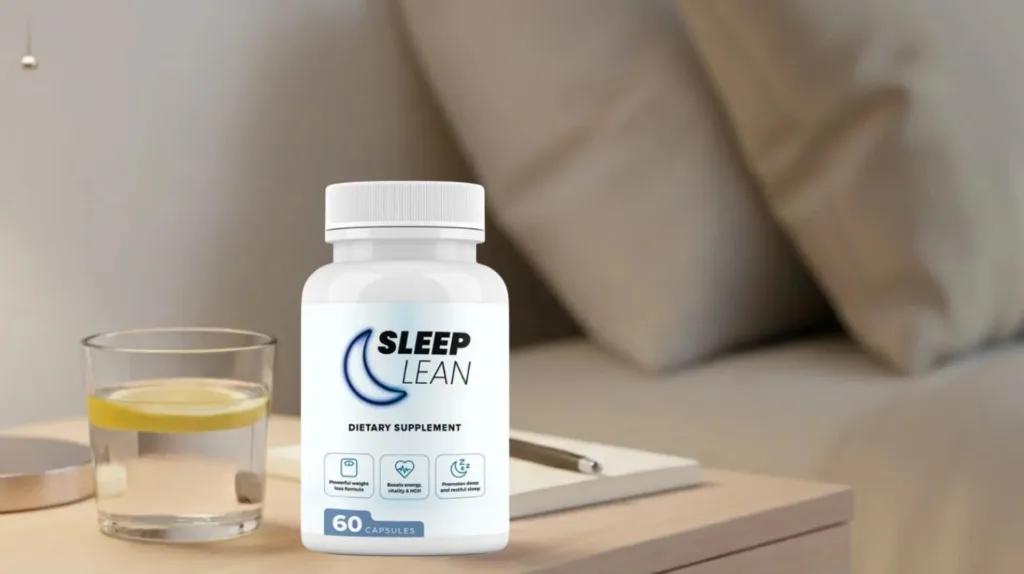
Possible Mild Reactions
Most reported SleepLean side effects are temporary. Some users notice slight morning grogginess during the first few nights.
Others may experience mild digestive discomfort while adapting to herbal ingredients. Headaches are rare but possible when starting melatonin.
Fortunately, these reactions usually disappear after consistent use. Starting with the recommended dose reduces risk.
Monitoring changes in sleep and energy helps manage SleepLean side effects effectively.
Who Should Avoid This Supplement
Certain individuals should avoid sleep-support supplements. Pregnant or breastfeeding women should consult a healthcare professional first.
People taking antidepressants, sedatives, or blood pressure medication should also seek medical advice. Ingredient interactions may occur.
Individuals with thyroid conditions or autoimmune disorders should be cautious. In these cases, professional guidance improves SleepLean safety.
Evaluating personal health history lowers the chance of unwanted SleepLean side effects.
Safe Supplement Practices
Reducing SleepLean side effects begins with responsible and informed use. First of all, always follow the exact dosage instructions provided on the product label. Manufacturers determine these amounts based on safety research and ingredient tolerance levels. Taking more than recommended will not make the supplement work faster. Instead, it may increase the risk of headaches, digestive discomfort, or next-day grogginess.
In addition, timing plays a critical role. Take SleepLean about one hour before bedtime to allow the natural ingredients to activate gradually. This window helps the body relax without creating sudden drowsiness. At the same time, avoid combining the supplement with alcohol, prescription sedatives, or other sleep aids unless your healthcare provider approves it. Mixing substances can intensify effects and disrupt natural sleep cycles.
Consistency matters more than increasing the dose. Many users assume stronger results come from higher amounts. However, balanced and steady use supports better long-term adaptation. Furthermore, building a calming evening routine improves SleepLean safety and effectiveness. For example, reduce screen exposure, dim the lights, practice deep breathing, and maintain a fixed sleep schedule. When combined with healthy habits, SleepLean supports natural rest more safely and effectively.
Conclusion
Understanding SleepLean side effects helps you use the supplement responsibly. Most reactions are mild and temporary when dosage guidelines are followed.
More importantly, knowing how the ingredients work improves SleepLean safety and builds confidence. Sleep supplements support metabolism indirectly through better recovery.
When combined with healthy habits, results tend to be more consistent. That is why education matters as much as supplementation.
Before deciding to buy, revisit SleepLean Review: Too Good to Be True or Actually Effective? to understand the full formula and benefits.
Making informed decisions always leads to better long-term outcomes.
References
- National Institutes of Health — Melatonin Fact Sheet
https://ods.od.nih.gov/factsheets/Melatonin-Consumer/ - Ashwagandha Safety Overview
https://pubmed.ncbi.nlm.nih.gov/23439798/ - Magnesium and Sleep Study
https://pubmed.ncbi.nlm.nih.gov/23853635/ - Valerian Root Safety Review
https://pubmed.ncbi.nlm.nih.gov/17145239/ - Sleep Foundation — Supplement Safety
https://www.sleepfoundation.org/sleep-aids/supplements-for-sleep
FAQs
1. Are SleepLean side effects common?
Most users report mild or no side effects when following dosage guidelines.
2. Can SleepLean cause morning grogginess?
Some individuals may feel mild grogginess during the first few days.
3. Is SleepLean safe for long-term use?
Long-term safety depends on personal health conditions and medical supervision.
4. Can SleepLean interact with medications?
Yes. Individuals taking medication should consult a healthcare professional first.
5. How can I reduce the risk of SleepLean side effects?
Follow dosage instructions, avoid mixing with alcohol, and monitor your response.
Read More
- SleepLean Review: Too Good to Be True or Actually Effective?
- SleepLean Ingredients: How it Works — A Complete Guide
- SleepLean vs. Melatonin Supplements: Which Is Better for Weight Loss?
This content is for educational purposes only and does not replace professional medical advice. Always consult a healthcare professional before starting any lifestyle changes, supplements, or dietary routines.