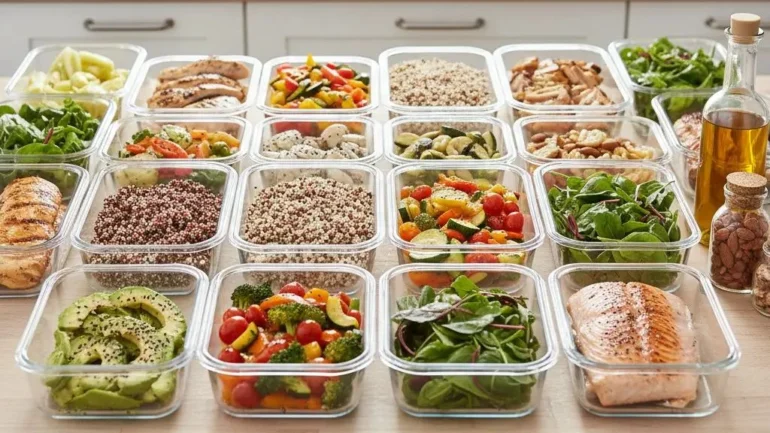
Weight loss meal planning is one of the most practical tools for achieving safe and sustainable fat loss. Instead of relying on restrictive diets, structured meals help regulate appetite, stabilize blood sugar, and improve metabolic efficiency. When meals are organized with intention, the body receives consistent fuel and responds better to fat-burning signals. This approach reduces stress and supports long-term results.
Many people struggle with inconsistency. Skipping meals, eating processed snacks, or relying on convenience foods can disrupt energy balance. Building balanced meals helps prevent these issues and supports natural appetite control. When you combine protein, fiber, and healthy fats, your body stays satisfied for longer periods.
Using portion control together with the healthy plate method makes meal building simple. You do not need to count every calorie. Instead, you create structure. Over time, structured meals become routine, and healthy eating feels automatic rather than forced.
If you want a broader understanding of nutrition strategies for sustainable fat loss, explore our complete guide to foods that accelerate safe weight loss food list , where we explain how different foods work together to support metabolism, appetite control, and long-term weight balance.
The Structure of a Fat-Loss Friendly Meal
A fat-loss friendly meal starts with structure. Without structure, hunger becomes unpredictable and cravings increase. Weight loss meal planning provides a clear framework for daily eating. This reduces impulsive food choices and supports consistency.
The foundation of balanced meals includes vegetables, protein, and healthy fats. These nutrients slow digestion and stabilize blood sugar. When blood sugar remains stable, energy levels stay steady. This prevents overeating later in the day.
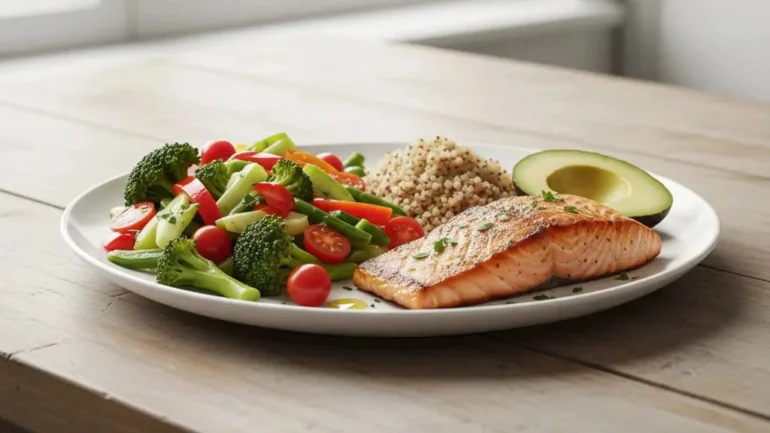
The healthy plate method makes structure visual and practical. Half of the plate contains vegetables. One quarter includes lean protein. The final quarter includes whole-food carbohydrates, supporting natural portion control.
Protein, Fiber, and Healthy Fats Balance
Protein is essential in weight loss meal planning. It supports muscle preservation and increases satiety. When protein intake is adequate, hunger hormones become easier to manage. This reduces unnecessary snacking.
Fiber plays a critical role in digestion and appetite regulation. High-fiber vegetables and whole grains create fullness. They also slow glucose absorption. This supports naturally balanced meals.
Healthy fats complete the equation. They help regulate hormones and support nutrient absorption. Including fats like olive oil or avocado enhances satisfaction. Together, these three nutrients make portion control easier and more sustainable.
Simple Daily Meal Examples
Daily meals do not need to be complicated. Consistency matters more than variety. With proper weight loss meal planning, simple meals become powerful tools. Repetition builds metabolic stability.
Start by planning meals around whole ingredients. Lean proteins, vegetables, and whole grains form the base of balanced meals. Keep recipes simple and practical. This increases adherence.
Using the healthy plate method during meal prep keeps portions realistic. It removes guesswork. Practicing steady portion control prevents accidental overeating. Small adjustments lead to long-term success.
Breakfast Ideas
Breakfast influences appetite for the entire day. A protein-rich morning meal supports weight loss meal planning from the start. It reduces mid-morning cravings. It also stabilizes energy levels.
Examples of balanced meals include eggs with vegetables and avocado. Greek yogurt with berries and seeds is another option. Oatmeal with nuts provides fiber and healthy fats. These meals combine nutrients effectively.
Applying the healthy plate method at breakfast improves structure. Include protein first, then fiber. Keep carbohydrate portions moderate for natural portion control. A steady breakfast routine improves metabolic rhythm.
Lunch and Dinner Combinations
Lunch and dinner should reinforce earlier choices. These meals are opportunities to maintain structure. Consistent weight loss meal planning prevents evening overeating. It also supports recovery from daily stress.
Grilled salmon with vegetables and quinoa is a strong example. Chicken with brown rice and greens also works well. Lentils with roasted vegetables create plant-based balanced meals. Variety keeps motivation high.
Use the healthy plate method for visual guidance. Fill half the plate with vegetables. Keep carbohydrates moderate for steady portion control. Structured dinners reduce nighttime cravings.
Creating Consistent Eating Habits
Habits determine long-term results. Even the best weight loss meal planning strategy fails without consistency. Eating at regular times stabilizes hunger hormones. This reduces impulsive choices.
Preparing ingredients in advance simplifies daily decisions. Pre-washed vegetables and cooked proteins make balanced meals easier. Planning grocery lists supports organization. Small preparation steps reduce stress.
The healthy plate method becomes intuitive with repetition. Over time, portion control feels natural. Consistency improves metabolic efficiency. Sustainable habits create safe and lasting weight loss.
Nutrition works best when multiple healthy habits come together. While this article focused on one important category of foods, you can deepen your understanding by reading our full guide to foods that accelerate safe weight loss, where we explain how to combine these foods for consistent and sustainable weight loss.
Conclusion
Building structured meals daily transforms the way the body responds to food. A consistent weight loss meal planning approach improves metabolic stability and appetite control. Instead of focusing on restriction, this method emphasizes nourishment and balance. When meals are predictable and nutrient-dense, energy levels remain steady throughout the day.
Prioritizing balanced meals built with protein, fiber, and healthy fats reduces cravings naturally. The healthy plate method simplifies decision-making and removes the need for strict calorie tracking. Visual structure supports long-term consistency.
Practicing steady portion control allows flexibility without excess. Small, repeated habits create meaningful metabolic improvements over time. Safe weight loss becomes easier when structure replaces guesswork.
Ultimately, sustainable fat loss depends on daily choices. Structured meals reduce stress around food and support hormonal balance. When meal planning becomes routine, healthy eating becomes effortless. That consistency is what creates real, lasting results.
References
- Harvard T.H. Chan School of Public Health — Healthy Eating Plate
https://www.hsph.harvard.edu/nutritionsource/healthy-eating-plate/ - CDC — Healthy Eating for a Healthy Weight
https://www.cdc.gov/healthyweight/healthy_eating/index.html - Mayo Clinic — Weight loss basics
https://www.mayoclinic.org/healthy-lifestyle/weight-loss/in-depth/weight-loss/art-20047752
FAQs
1. What is weight loss meal planning?
It is organizing meals with balanced nutrients to support safe fat loss.
2. Are balanced meals necessary for fat loss?
Yes. They stabilize blood sugar and reduce cravings.
3. Does portion control require calorie counting?
No. Visual methods like the healthy plate method are effective.
4. Can meal planning improve metabolism?
Yes. Consistent eating patterns regulate hunger hormones.
5. How long does it take to see results?
Most people notice improved energy within a few weeks.
Read More
- The Best Foods to Speed Up Weight Loss Safely
- Protein Foods Weight Loss: Best Options for Fat Burn
- 10 Daily Habits That Naturally Boost Your Metabolism
This content is for educational purposes only and does not replace professional medical advice. Always consult a healthcare professional before starting any lifestyle changes, supplements, or dietary routines.